Idioms That Only Americans Understand | | Though English borrows a lot from other languages, Americans have created plenty of unique sayings. Jump on the bandwagon and learn more about these popular idioms and expressions. | |  | Rachel Gresh |
|
| | 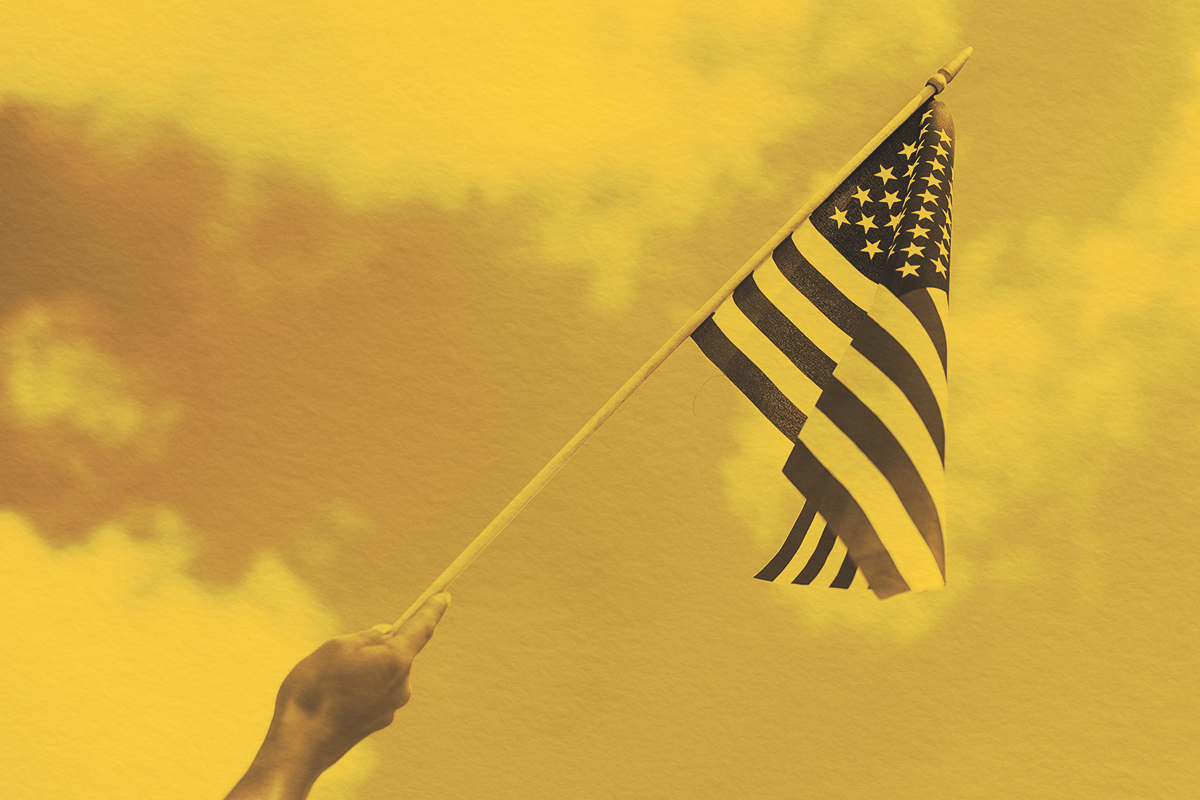 | | T he English language is a mashup of root languages from around the world — even many idioms and proverbs are borrowed from other places. For example, to quit something "cold turkey" (abruptly) came from Canada, and we learned from the Brits that you can't "have your cake and eat it, too" (have it both ways).
But Americans have also created plenty of their own sayings, so jump on the bandwagon and learn more about these popular idioms and expressions that are unique to American English. |
| | Continue reading | |  |
|
Emoji Decoded | |  | | Baby Angel | | | Meaning: Depicts a youthful cherubic or angelic face with wings and a halo.
Evolution: While it traditionally represents cherubs or innocence, Baby Angel is often used ironically to indicate mischief or fake innocence, or to sarcastically claim to be "an angel" after doing something questionable.
Usage: [In the group chat after causing drama:] 👼 just stirring the pot a little 👼 |
|
| | Baby Angel | | | Meaning: Depicts a youthful cherubic or angelic face with wings and a halo.
Evolution: While it traditionally represents cherubs or innocence, Baby Angel is often used ironically to indicate mischief or fake innocence, or to sarcastically claim to be "an angel" after doing something questionable.
Usage: [In the group chat after causing drama:] 👼 just stirring the pot a little 👼 |
|
| |
Have you read? | | 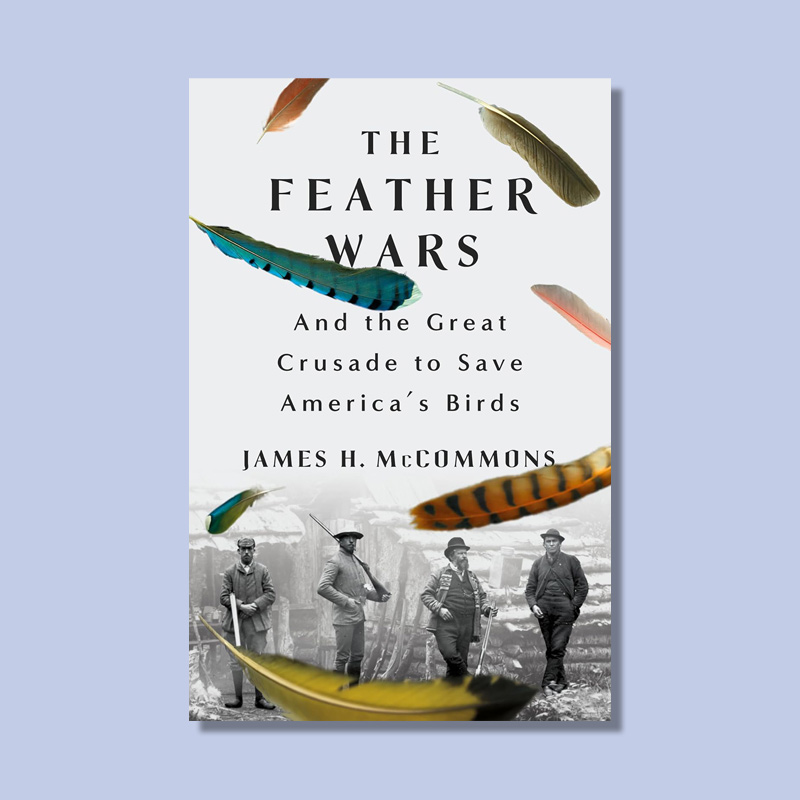 | | The Feather Wars | | By James H. McCommons | | Before the late 19th century, few questioned the killing of birds, whether for sport, food, or fashion. But the rapid extinction of passenger pigeons laid the foundation for early conservation efforts during the Gilded Age, including the founding of the National Audubon Society in 1905. "The Feather Wars" is a nonfiction look at the evolution of humans' relationship with birds and is recommended for bird lovers and history buffs alike. | | | | Samantha Abernethy, Word Smarts Writer | | | | We independently evaluate all recommended products and services. If you click on links we provide, we may receive compensation. |
|
| | The Feather Wars | | By James H. McCommons | | Before the late 19th century, few questioned the killing of birds, whether for sport, food, or fashion. But the rapid extinction of passenger pigeons laid the foundation for early conservation efforts during the Gilded Age, including the founding of the National Audubon Society in 1905. "The Feather Wars" is a nonfiction look at the evolution of humans' relationship with birds and is recommended for bird lovers and history buffs alike. | | | | Samantha Abernethy, Word Smarts Writer | | | | We independently evaluate all recommended products and services. If you click on links we provide, we may receive compensation. |
|
| |
|






No comments:
Post a Comment