'Lorem Ipsum' Is Everywhere — So What Does It Mean? | | "Lorem ipsum dolor sit amet." You've probably seen this Latin-esque text used in typesetting or graphic design. But what does it mean, and where did it come from? | |  | Mandy Brownholtz |
|
| |  | | L orem ipsum dolor sit amet. If this Latin-esque phrase looks familar, it's because it's the traditional placeholder or "dummy" text used in typesetting and graphic design for previewing layouts. The use of classical-language placeholder text in web design is called "greeking," from the expression, "It's all Greek to me."
"Lorem ipsum" isn't Greek, though. In fact, it's not even really Latin, either — or at least, not Latin that makes any sense. Instead, it's a passage of scrambled Latin text. The intended purpose is to draw the brain away from reading the text itself, and instead call focus to the design of the layout. The origins are a bit of a mystery, but there are clues. |
| | Continue reading | |  |
|
Emoji Decoded | | 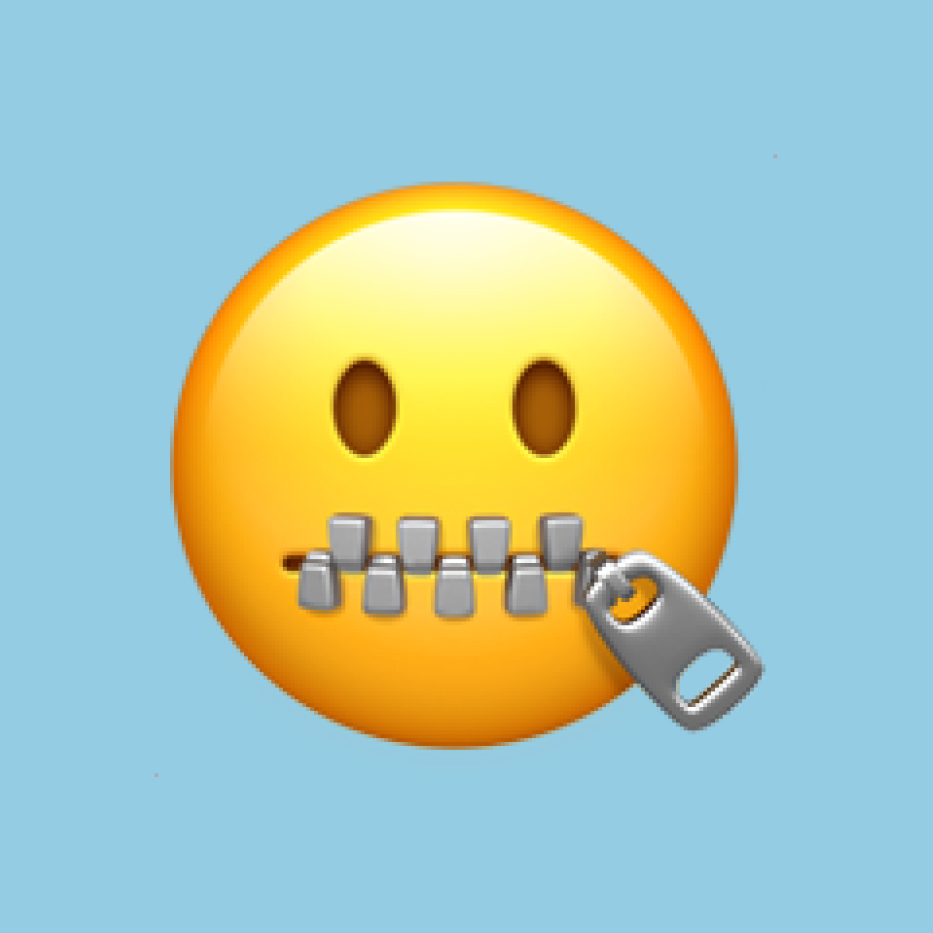 | | Zipper-Mouth Face | | | Meaning: Indicates zipped lips, either for secrecy or silence, as in telling someone to "zip it."
Evolution: Some emojis display differently across platforms, and Google's initial version of the Hushed Face 😯displayed with a zipper mouth. They are now distinct emojis on Google.
Usage: [Text promising to keep a secret:] What! I can't believe he did that. I won't tell anyone 🤐🤐🤐 |
|
| | Zipper-Mouth Face | | | Meaning: Indicates zipped lips, either for secrecy or silence, as in telling someone to "zip it."
Evolution: Some emojis display differently across platforms, and Google's initial version of the Hushed Face 😯displayed with a zipper mouth. They are now distinct emojis on Google.
Usage: [Text promising to keep a secret:] What! I can't believe he did that. I won't tell anyone 🤐🤐🤐 |
|
| |
Have you read? | | 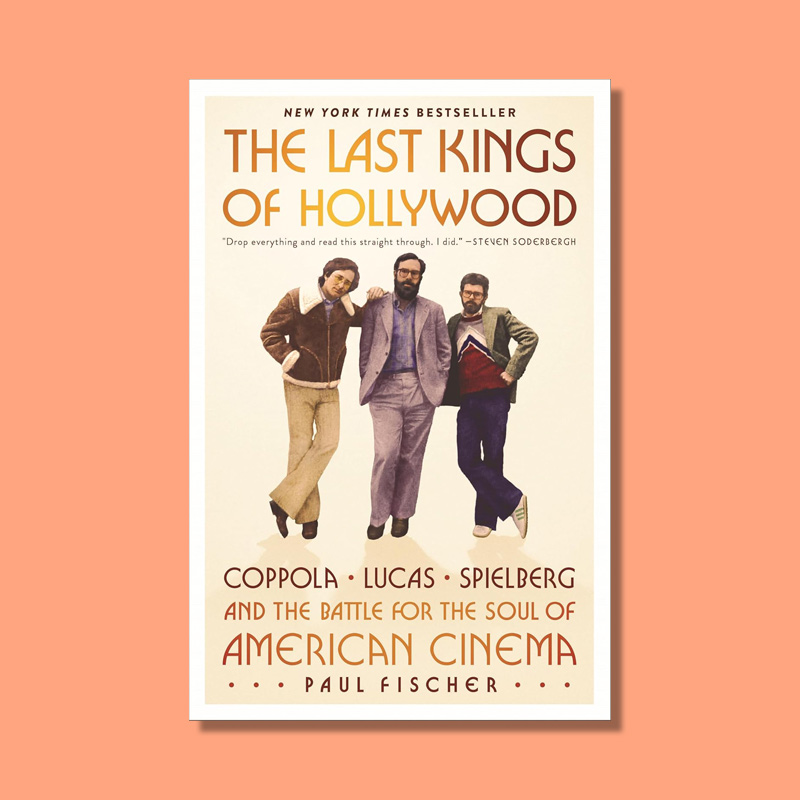 | | The Last Kings of Hollywood | | By Paul Fischer | | In the 1970s, Steven Spielberg, Francis Ford Coppola, and George Lucas built a new Hollywood. As the old studio system fell apart, their creative ambitions launched them into the power vacuum. "The Last Kings of Hollywood" examines the directors' historic rise and offers insight into their relationships to one another. Based on original interviews and extensive research, this nonfiction book is recommended if you love Hollywood history and your favorite films include "The Godfather," "Jaws," or "Star Wars." | | | | Samantha Abernethy, Word Smarts Writer | | | | We independently evaluate all recommended products and services. If you click on links we provide, we may receive compensation. |
|
| | The Last Kings of Hollywood | | By Paul Fischer | | In the 1970s, Steven Spielberg, Francis Ford Coppola, and George Lucas built a new Hollywood. As the old studio system fell apart, their creative ambitions launched them into the power vacuum. "The Last Kings of Hollywood" examines the directors' historic rise and offers insight into their relationships to one another. Based on original interviews and extensive research, this nonfiction book is recommended if you love Hollywood history and your favorite films include "The Godfather," "Jaws," or "Star Wars." | | | | Samantha Abernethy, Word Smarts Writer | | | | We independently evaluate all recommended products and services. If you click on links we provide, we may receive compensation. |
|
| |
|





No comments:
Post a Comment