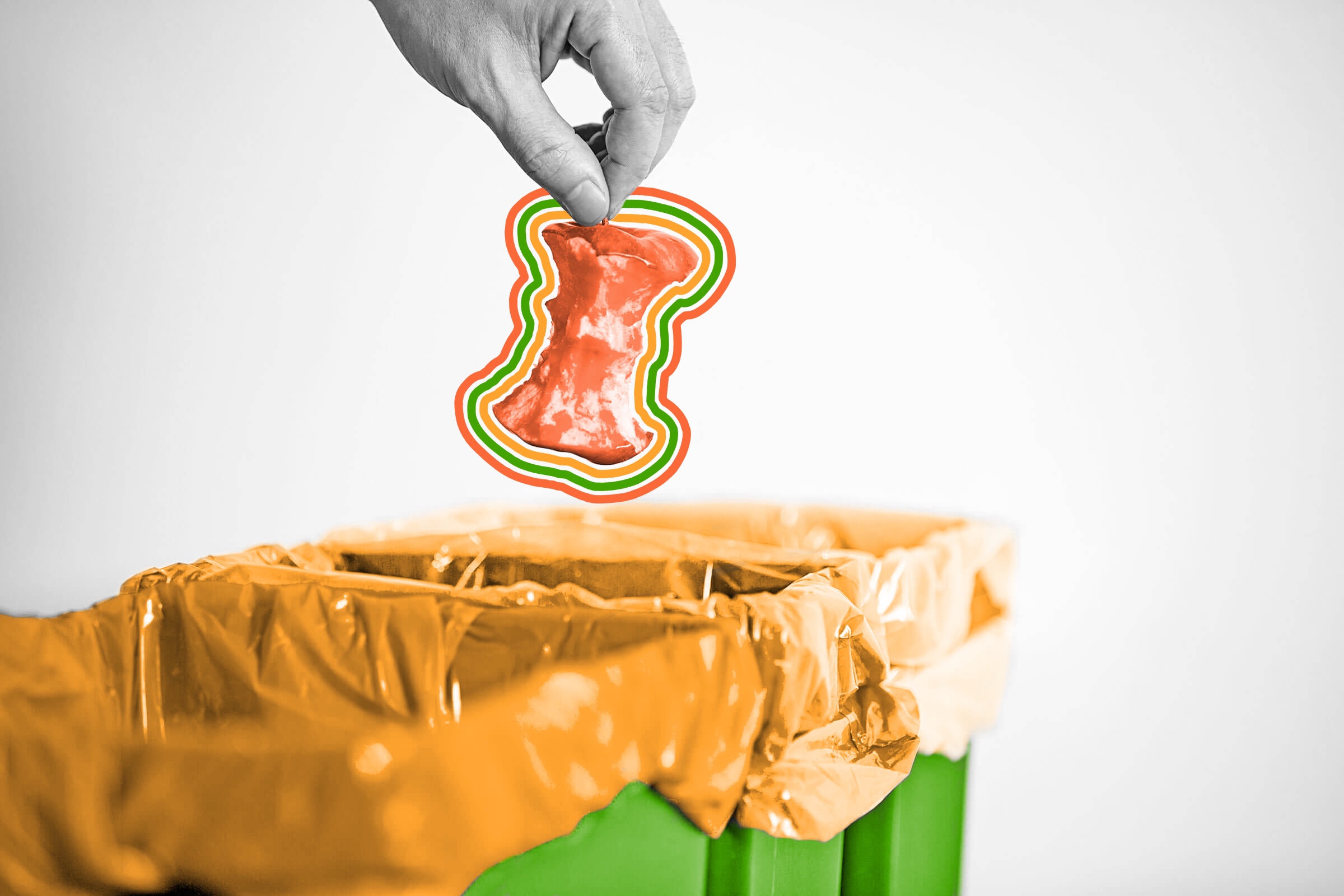
While technically biodegradable, food waste can have negative effects on the environment — particularly when it ends up in a landfill and produces methane, a greenhouse gas. That's why South Korea began banning food from landfills in 2005 and instead has a robust recycling program that encourages composting and food reuse. Today, about 95% of food waste in South Korea is recycled, compared to 2% at the time the ban was enacted. Citizens who don't compost can take food scraps to an area recycling station, where their trash is weighed and logged; households then receive a monthly bill based on the amount they toss out. Collected food is turned into fertilizer or animal feed, and methane and natural gases produced during the recycling process (called biogas) are also used to create energy that fuels the recycling facility, giving each tossed scrap a second opportunity to help nourish the planet. | 






No comments:
Post a Comment