Am I using 'proven' wrong? | | Have you "proven" your point or "proved" it? Let's settle this once and for all. | |  | Rachel Gresh |
|
| | 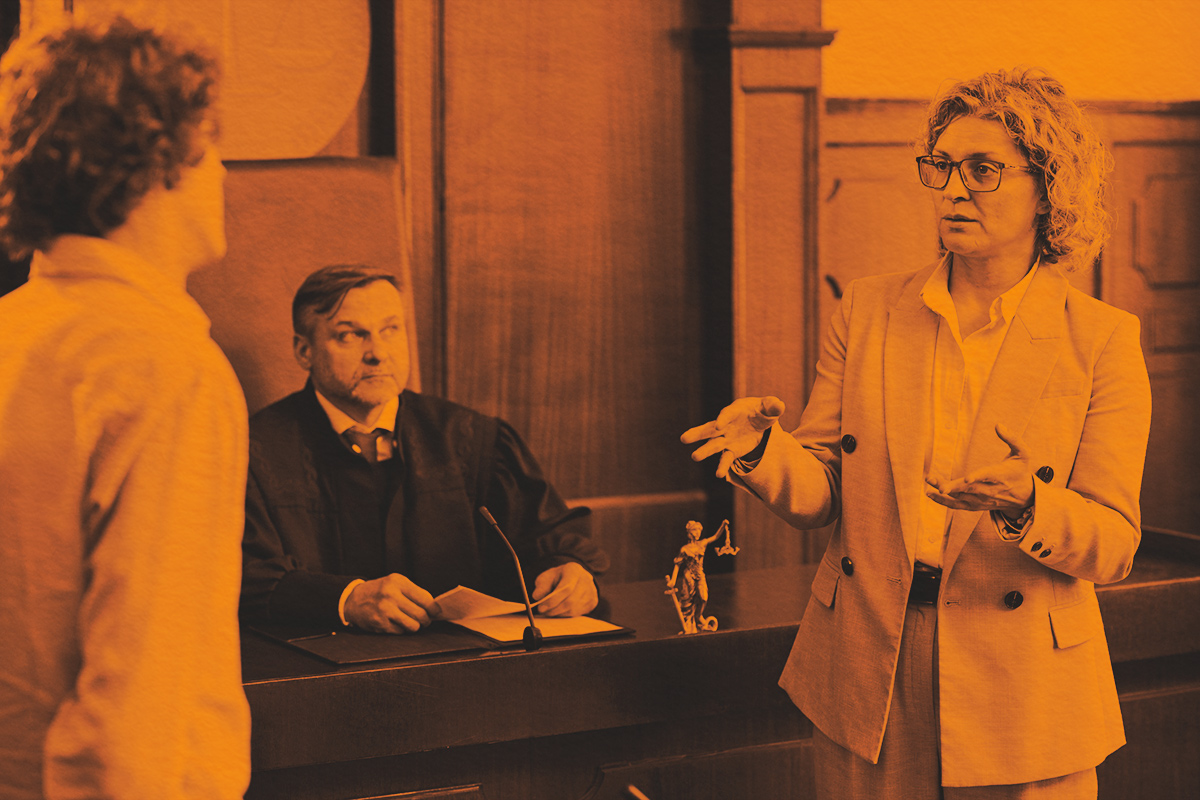 | | Y ou've probably heard the phrase "innocent until proven guilty" — it's a staple in legal dramas and courtroom jargon. But you won't hear anyone say "proved guilty" instead. Why is that? While both "proved" and "proven" are valid past participles of the verb "prove," only "proven" is commonly used as an adjective. In fact, some guides dictate that "proven" should be used only as an adjective and "proved" as the past participle. But as Merriam-Webster and other dictionaries report, both "proven" and "proved" developed as the past tense of "prove," and they're mostly interchangeable in that usage.
In casual conversation, you can use whichever word feels more natural: "I have proved/proven my point." Merriam-Webster notes that the past participle "proven" is now just as common as "proved," though this wasn't always the case. During the 19th century, grammarians often dismissed it as incorrect. Most writers of the time adhered to "proved" — except for famed poet Lord Alfred Tennyson, who favored "proven" for its two-syllable rhythm: "For nothing worthy proving can be proven, / Nor yet disproven." |
| | Continue reading | |  |
|
Emoji Decoded | | 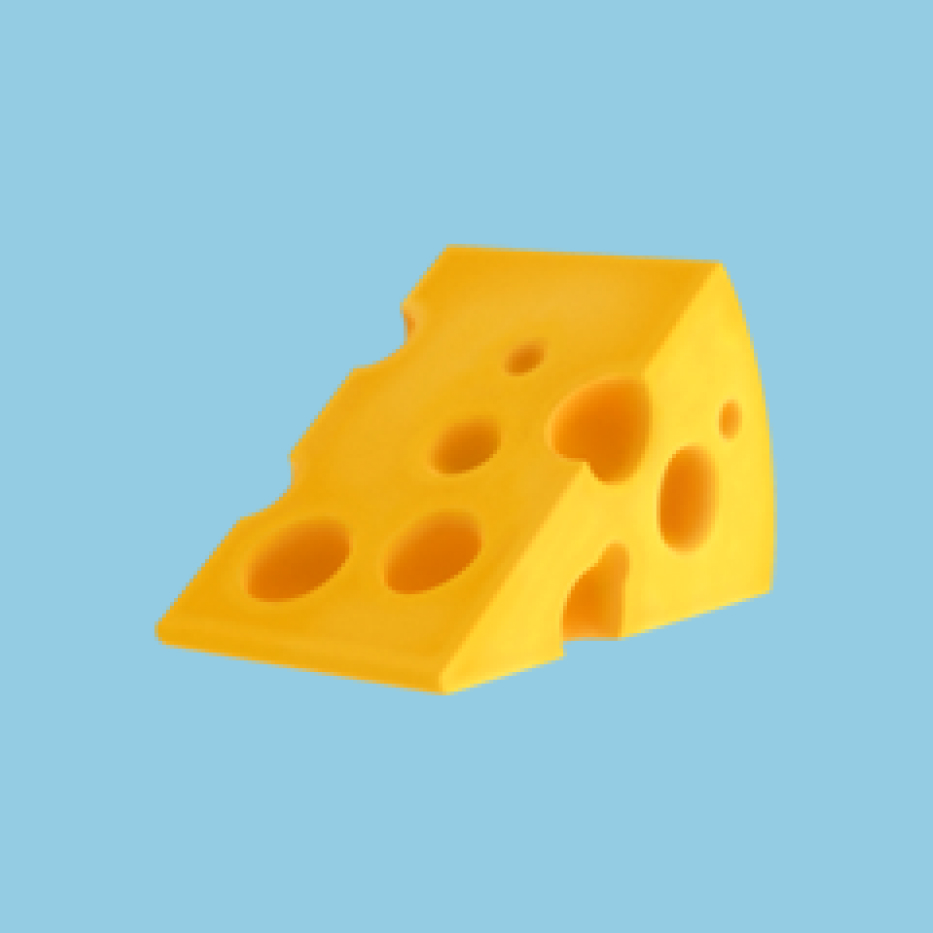 | | Cheese Wedge | | | Meaning: Depicts a triangular wedge of cheese with holes resembling Swiss cheese.
Evolution: The Cheese Wedge 🧀 can refer to food, but it stands in for other kinds of cheese, too. Pair with the Camera emoji for "Say cheese! 📷🧀," the 💼 to refer to "The Big Cheese," or use it to call out cheesy jokes.
Usage: [Text to a friend:] So excited for our picnic! 🧀🍷🧺🥖I'll bring the whine, you bring the cheesy jokes 🧀🤣 |
|
| | Cheese Wedge | | | Meaning: Depicts a triangular wedge of cheese with holes resembling Swiss cheese.
Evolution: The Cheese Wedge 🧀 can refer to food, but it stands in for other kinds of cheese, too. Pair with the Camera emoji for "Say cheese! 📷🧀," the 💼 to refer to "The Big Cheese," or use it to call out cheesy jokes.
Usage: [Text to a friend:] So excited for our picnic! 🧀🍷🧺🥖I'll bring the whine, you bring the cheesy jokes 🧀🤣 |
|
| |
Have you read? | |  | | Useless Etymology | | | | Dig into the weird and wonderful origins behind everyday words you never thought to question to reveal the surprising ways common phrases and terms came to be. Zafarris, a co-host of the "Words Unravelled" podcast, is a professional word nerd who makes etymology accessible and fun. Recommended for anyone who loves random facts and linguistic history. | | | | Samantha Abernethy, Word Smarts Writer | | | | We independently evaluate all recommended products and services. If you click on links we provide, we may receive compensation. |
|
| | Useless Etymology | | | | Dig into the weird and wonderful origins behind everyday words you never thought to question to reveal the surprising ways common phrases and terms came to be. Zafarris, a co-host of the "Words Unravelled" podcast, is a professional word nerd who makes etymology accessible and fun. Recommended for anyone who loves random facts and linguistic history. | | | | Samantha Abernethy, Word Smarts Writer | | | | We independently evaluate all recommended products and services. If you click on links we provide, we may receive compensation. |
|
| |
|





No comments:
Post a Comment