 | | October 9, 2025 |  |
|
|
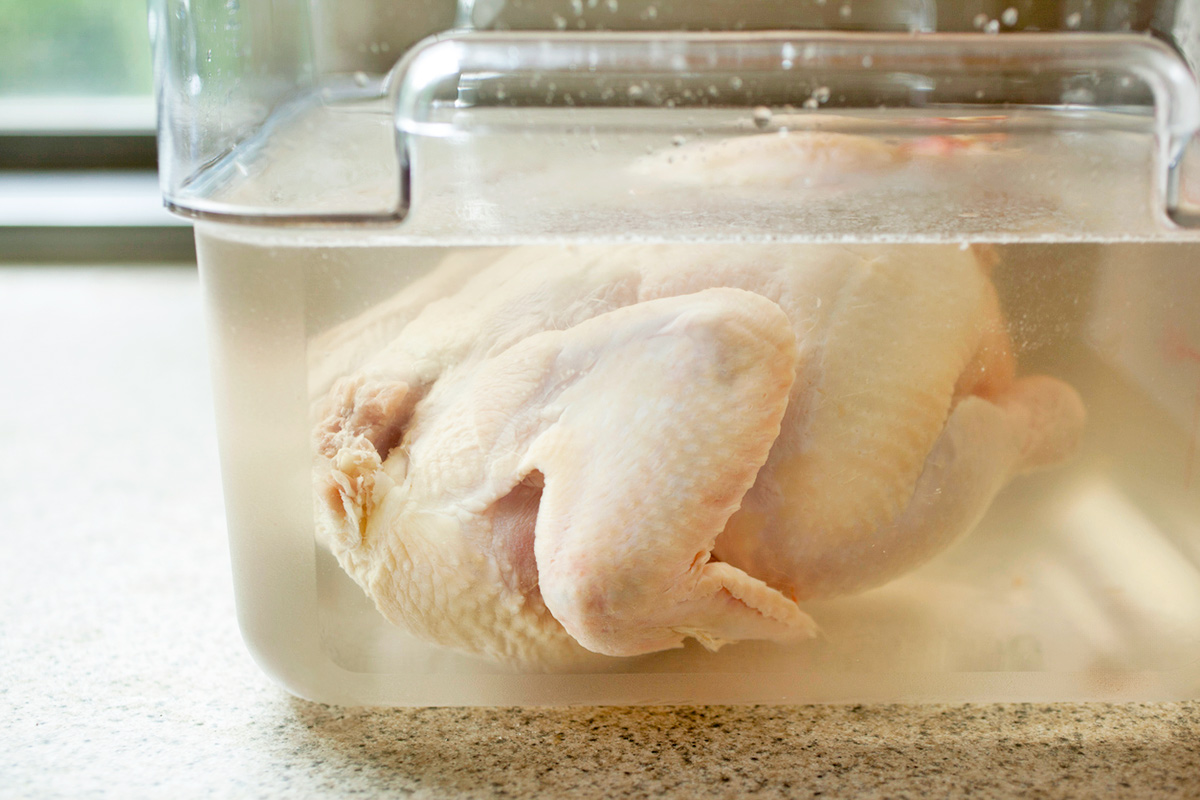
| Chicken is one of the most popular protein sources, and for good reason: It's flavorful, versatile, and generally affordable. Its only real flaw is that it's relatively easy to overcook. Ideally, chicken should be tender and juicy, but when it's overdone, it can become dry and tough. Fortunately, there's a simple and easy trick, beloved by chefs and home cooks alike, that can help you get juicy, tender chicken every time: brining. |
 | | Credit: haha21/ iStock |
|
| So, how does it work? Through a process called osmosis. When you put your bird in salted water, the salt alters the protein structure of the meat, allowing it to absorb some of the brine. Then, as the chicken cooks, that trapped brine seasons the meat and keeps it moist, providing a safeguard against overcooking. |
| The steps are easy to follow. You'll need a container that can hold your chicken and won't react with the salt or any acidic ingredients you add. Consider using glass, stainless steel, food-grade plastic, or ceramic. For easier cleanup, you can also use a leakproof freezer bag. |
| Add the chicken to the container and enough water to fully submerge it. Then, remove the chicken, measure the water you've used, and add enough salt to get the right concentration. A good rule of thumb is 1 cup of salt per gallon of water, but this is only a rough estimate because salt crystal sizes vary greatly. Table salt is finer than pickling salt, which is finer than Morton's, which is finer than Diamond Crystal. It's often helpful to use an online "brining calculator," which lets you specify the type of salt you're using for better accuracy. |
| Regardless of the salt you choose, a whole chicken should brine for at least four hours and no more than 12 hours. For boneless, skinless chicken breasts, you only need about 30 minutes to two hours. While brining chicken thighs is not always necessary, if you choose to do so, one to two hours should be sufficient. For bone-in cuts, allow two to four hours for brining. |
| Tip: Check the label to see if your chicken has been preseasoned. Those are likely already brined, so you won't want to do it again. |
| That may sound like a lot of work, and it can be. You'll also need to make sure you have enough fridge space for a container full of bird and brine. This is why many cooks prefer dry brining, which means you don't have to contend with a large container of salty water. A dry brine is as simple as rubbing your chicken with salt and letting it sit. |
| The process still works because the salt draws moisture from the chicken, which dissolves the salt and creates a small amount of concentrated brine. That brine is then reabsorbed into the bird, seasoning the meat and altering its structure just enough to help it retain its own moisture better. Not only is it a simpler method, but it also gives you a more concentrated chicken flavor. |
| You don't need as much salt, either — just about ½ ounce by weight, rubbed evenly all over a whole chicken or individual cuts. Simply leave the chicken — whether it's a whole bird or individual cuts such as thighs or breasts — uncovered on a plate in the fridge overnight, and you're good to go. There's no need to rinse the chicken before cooking, as this can spread bacteria around your kitchen and wash away the flavor. Patting the meat dry, however, will help you achieve delicious, crispy skin. |
|
| Are you accidentally feeding your dark spots by eating this one food each morning? According to one of America's top doctors, this food can have a similar effect on your skin as spending hours in the sun — which means when you eat this food, it can make your dark spots appear darker and more pronounced. You'll be shocked when you see how common this food is. |
| *This content is brought to you by our sponsor which helps keep our content free. |
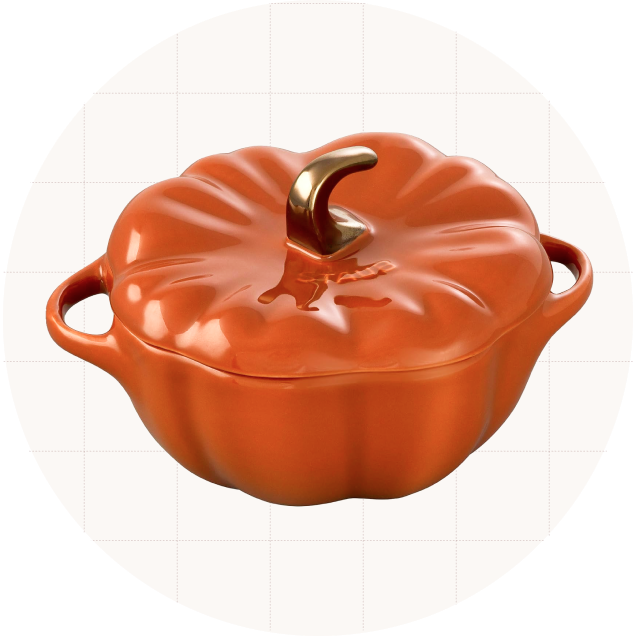 | | STAUB Ceramic 0.75-Quart Petite Pumpkin | | Who doesn't love functional fall decor? This petite pumpkin from STAUB is made from heavy stoneware and is oven-safe up to 572 degrees Fahrenheit. Pictured here is the 0.75-quart version in burnt orange, but it's also available in a 0.50-quart size and comes in matte black or rustic ivory. Use it to house your secret stash of candy corn or to serve a seasonal dip on Thanksgiving. — Kelsey Morrison, House Outlook Editor |
|
| We independently evaluate all recommended products and services.
If you click on links we provide, we may receive compensation. |
|
| Fred Decker is a trained chef and former restaurateur. Since closing his restaurants over a decade ago he has been a prolific freelance writer, publishing several thousand articles on dozens of high-volume websites including Taste Of Home, Hunker, Tasting Table, Week&, eHow, and GOBankingRates. He lives on a rural acreage shared with a big garden, chickens, rabbits, and grandkids. |
|
|
|
|
| Was this email forwarded to you? |
|
| No longer interested in receiving our content? |
|
|
|
| Advertisements: |  |
|
|
|


No comments:
Post a Comment