What is a folk etymology? | | Sometimes a story is too good to be believed. Such is the case with folk etymologies. They are enticing stories about a word's origin, but ultimately false. | |  | Stewart Edelstein |
|
| |  | | E tymology is a fascinating field — it's a branch of linguistics concerned with tracing the development of a word from the earliest recorded instance and following a word's transmission from one language to another. For example, the etymology of the word "magazine" is that it comes from the Arabic "makhazin," meaning "storehouse," and it entered into English in the 15th century. Today, the word is used both for ammunition storage and for your glossy periodicals, as a storehouse of information.
An etymologist is a person who conducts the research and documentation of etymology. They use historical records and other reference materials to accurately trace the origin and evolution of words and phrases. Sometimes, however, a story about the origin of a word spreads without the careful research of an etymologist. If a story sounds plausible, it can circulate and gain traction, even if it's somewhat fanciful. These made-up — yet still widely distributed — stories about the origins of certain words and idioms are called folk etymologies, akin to folklore. Here are some examples. |
| | Continue reading | |  |
|
Emoji Decoded | | 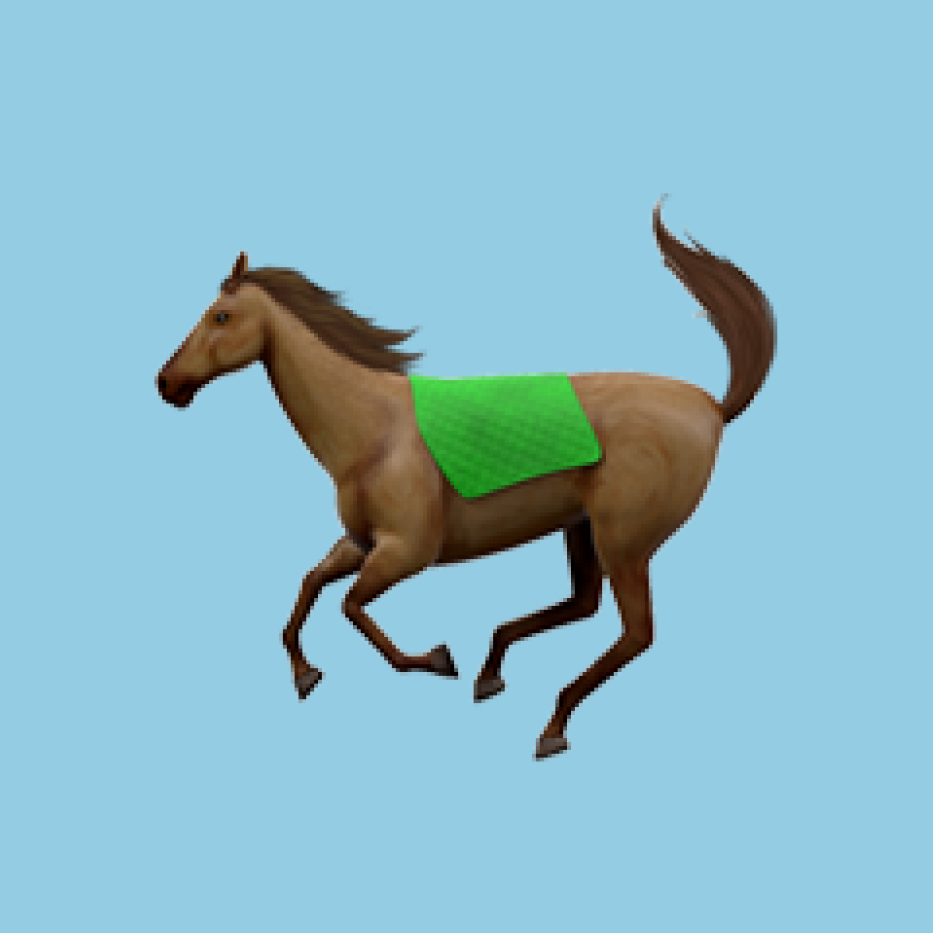 | | Horse | | | Meaning: Shows a horse in motion, sometimes with a blanket on its back where a saddle would be.
Evolution: You can expect the Horse emoji 🐎 to gallop through your messages more this year. In the Chinese zodiac, 2026 is the Year of the Horse, associated with energy, independence, and confidence. Other equine emojis include the Horse Face emoji 🐴 and the Race Horse emoji 🏇, which adds a jockey.
Usage: [Text from a friend:] Keep going! We can power through this! 🐎💪 |
|
| | Horse | | | Meaning: Shows a horse in motion, sometimes with a blanket on its back where a saddle would be.
Evolution: You can expect the Horse emoji 🐎 to gallop through your messages more this year. In the Chinese zodiac, 2026 is the Year of the Horse, associated with energy, independence, and confidence. Other equine emojis include the Horse Face emoji 🐴 and the Race Horse emoji 🏇, which adds a jockey.
Usage: [Text from a friend:] Keep going! We can power through this! 🐎💪 |
|
| |
Have you read? | | 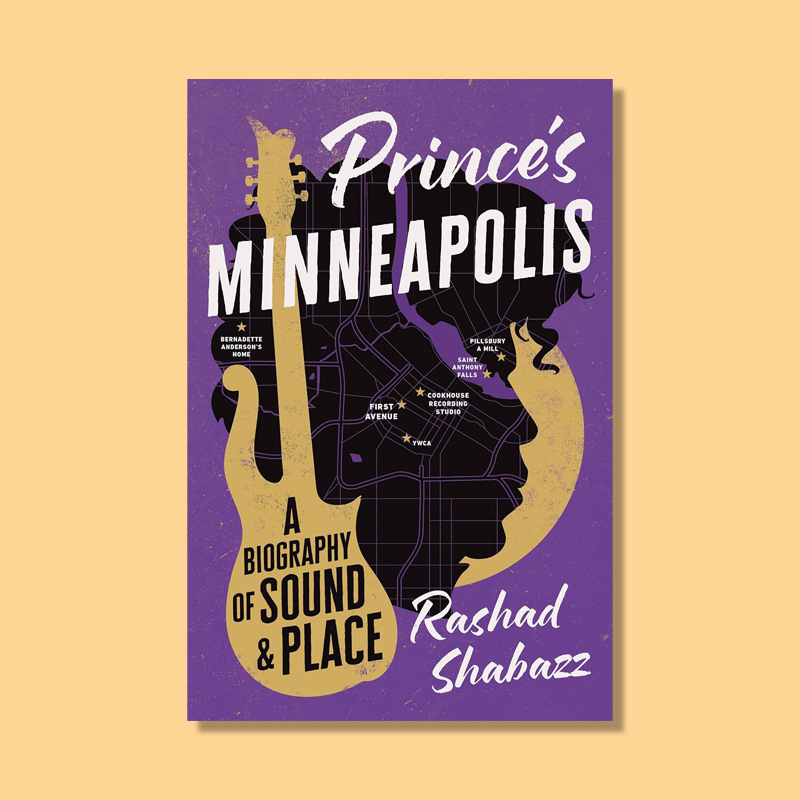 | | Prince's Minneapolis | | By Rashad Shabazz | | This is a history of music in Minneapolis as much as it is a biography of Prince. Starting more than 100 years before the artist was born, Shabazz explores the "Minneapolis sound" with the town's first singing schools, military bands, and music venues in the 1850s. The book illuminates the spaces and sounds that inspired Prince, giving new context to an artist you think you already know. | | | | Samantha Abernethy, Word Smarts Writer | | | | We independently evaluate all recommended products and services. If you click on links we provide, we may receive compensation. |
|
| | Prince's Minneapolis | | By Rashad Shabazz | | This is a history of music in Minneapolis as much as it is a biography of Prince. Starting more than 100 years before the artist was born, Shabazz explores the "Minneapolis sound" with the town's first singing schools, military bands, and music venues in the 1850s. The book illuminates the spaces and sounds that inspired Prince, giving new context to an artist you think you already know. | | | | Samantha Abernethy, Word Smarts Writer | | | | We independently evaluate all recommended products and services. If you click on links we provide, we may receive compensation. |
|
| |
You might also like | |  | | | | Who Is the 'Jack' in 'Jumping Jacks'? | | Are jumping jacks named after a real person, or are they a gym teacher's invention? Here's a quick examination of the etymological history behind this common exercise. |
| | | |
|





No comments:
Post a Comment