Why do we say 'even Steven' and 'plain Jane'? | | The English language has memorable stand-ins for "fairness" and "forgettability": "even Steven" and "plain Jane." Thanks to rhythm and familiarity, these phrases have endured for several centuries. | |  | Rachel Gresh |
|
| |  | | T here's a long-standing practice in English of incorporating proper names into everyday expressions — think "lazy Susan" or "Roger that." Among the most familiar of these are "even Steven" and "plain Jane," two phrases that, despite their different meanings, appear to have emerged in similar ways.
"Plain Jane" functions as both a noun, referring to a person who is unadorned or unremarkable, and an adjective, usually hyphenated as "plain-Jane," to characterize someone or something that is not fancy or glamorous. While the phrase is rarely meant as praise, it's not necessarily harsh. For example, in the context of the Anne Hathaway film The Princess Diaries, you might say, "Mia Thermopolis was a plain-Jane student until discovering she was a princess." |
| | Continue reading | |  |
|
Emoji Decoded | | 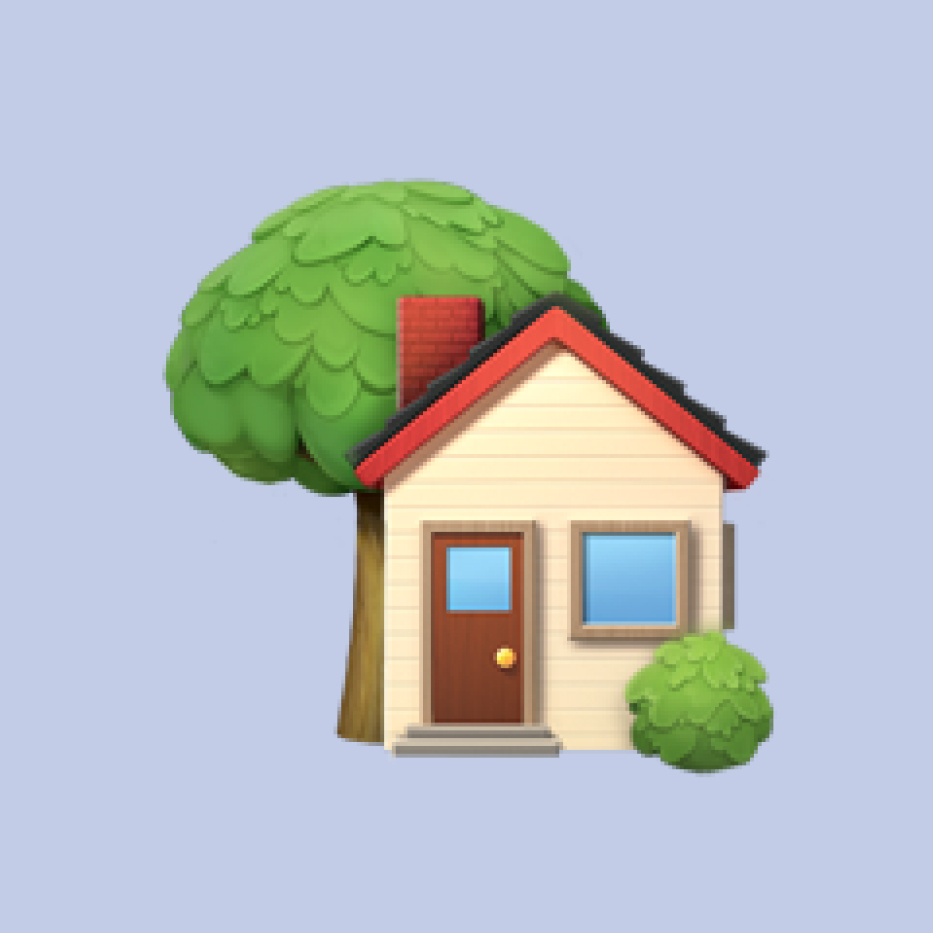 | | House with Garden | | | Meaning: Depicts a house with a garden or yard, representing a home or domestic life.
Evolution: There's a similar 🏠 emoji, but the version with a garden has a cozier tone, often to indicate the concept of "home sweet home." The most modern usage is for work-from-home contexts, perhaps to block calendar days, or in chat program statuses.
Usage: [Caption on a cozy home office picture:] Another day at the 🏡 office 💻☕ |
|
| | House with Garden | | | Meaning: Depicts a house with a garden or yard, representing a home or domestic life.
Evolution: There's a similar 🏠 emoji, but the version with a garden has a cozier tone, often to indicate the concept of "home sweet home." The most modern usage is for work-from-home contexts, perhaps to block calendar days, or in chat program statuses.
Usage: [Caption on a cozy home office picture:] Another day at the 🏡 office 💻☕ |
|
| |
Have you read? | | 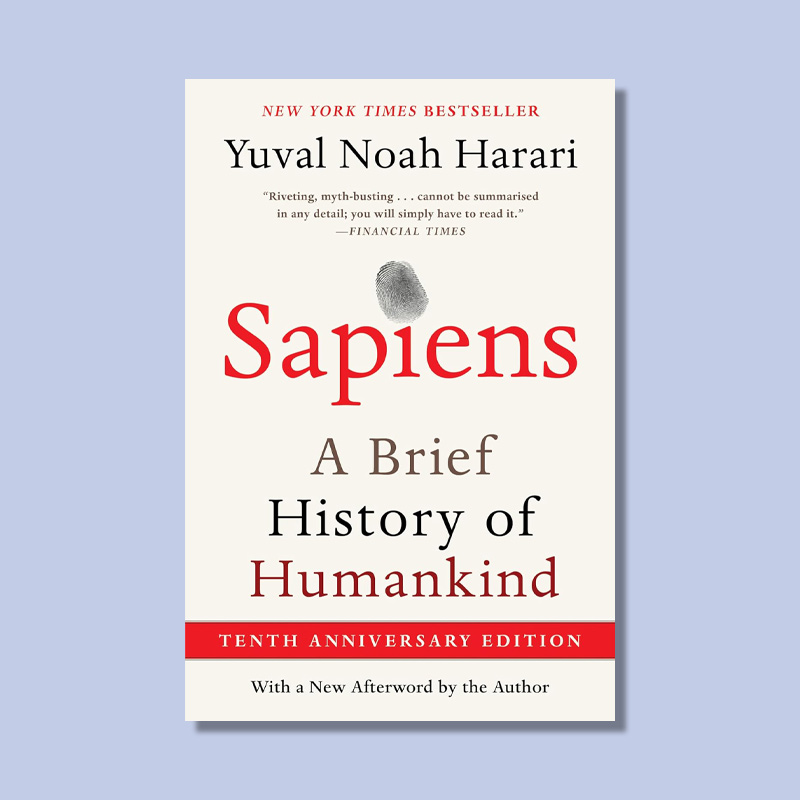 | | Sapiens | | By Yuval Noah Harari | | After Darwin's "On the Origin of Species," we began to understand how all animals and plants worked in concert with each other. More than 150 years later, Dr. Yuval Noah Harari argues strongly that the dominance of the human (Homo sapien) is remarkable but explainable through history and biology. Humans have a unique position in the natural world, and Dr. Harari is particularly invested in what it means that humans have the power to change "natural selection." | | | | Julia Rittenberg, Word Smarts Writer | | | | We independently evaluate all recommended products and services. If you click on links we provide, we may receive compensation. |
|
| | Sapiens | | By Yuval Noah Harari | | After Darwin's "On the Origin of Species," we began to understand how all animals and plants worked in concert with each other. More than 150 years later, Dr. Yuval Noah Harari argues strongly that the dominance of the human (Homo sapien) is remarkable but explainable through history and biology. Humans have a unique position in the natural world, and Dr. Harari is particularly invested in what it means that humans have the power to change "natural selection." | | | | Julia Rittenberg, Word Smarts Writer | | | | We independently evaluate all recommended products and services. If you click on links we provide, we may receive compensation. |
|
| |
You might also like | | 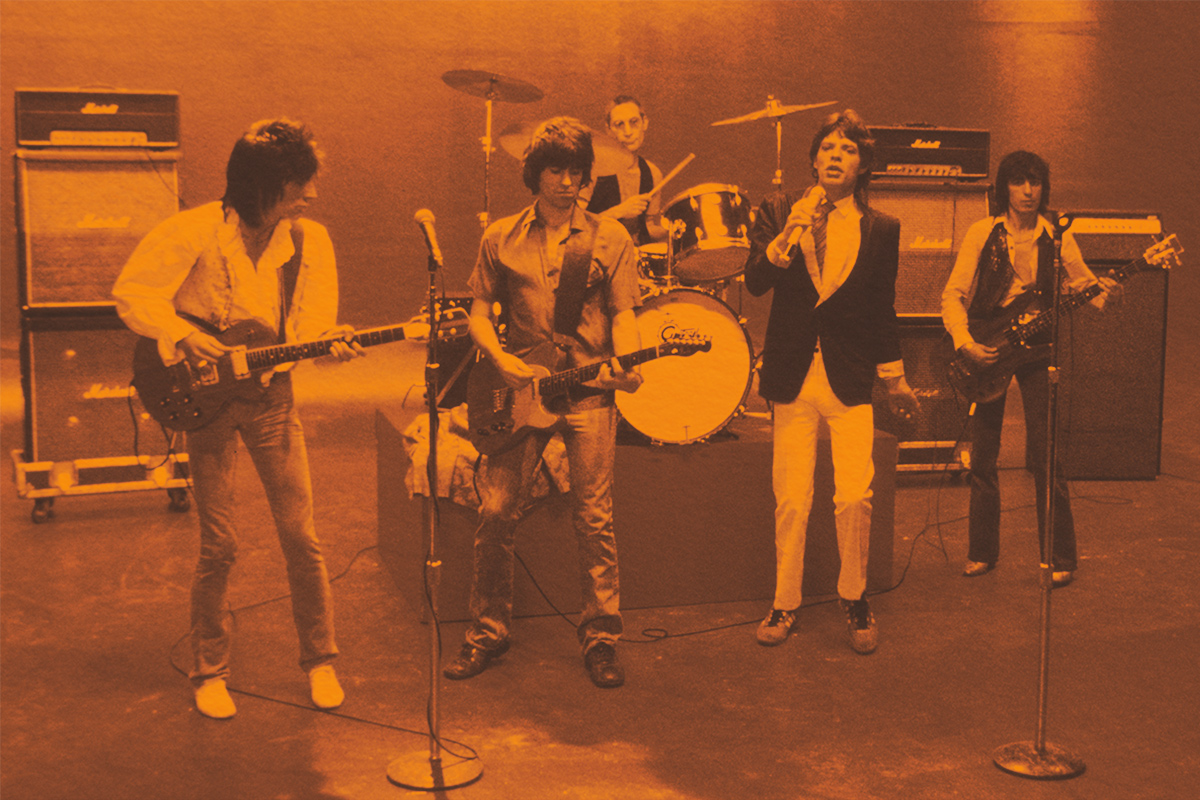 | | | | When Should You Use 'Each' vs. 'Every'? | | Have you ever wondered whether to say "each time" or "every time"? Let's break down the differences between these similar words with a little help from the Rolling Stones. |
| | | |
|





No comments:
Post a Comment