Why do we say 'a dime a dozen'? | | This familiar idiom reveals how a common phrase about thriftiness evolved into shorthand for sameness. | |  | Stewart Edelstein |
|
| | 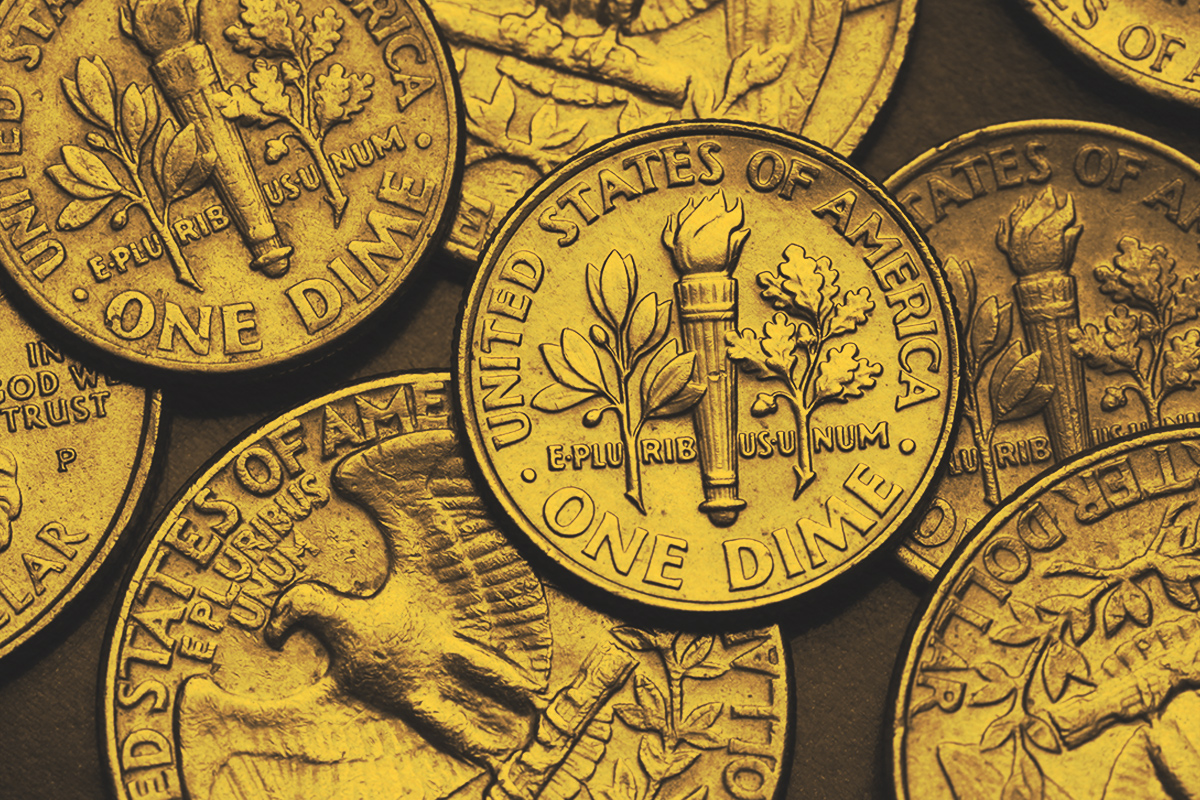 | | T he dime was first minted in America in 1796, but it wasn't until the 1930s that the idiom "a dime a dozen" come into use. In the early 20th century, "a dime a dozen" was a sales pitch for a good deal. When eggs were sold for 10 cents per dozen, the customer paid less than a penny an egg. What a bargain! By the 1920s, variety stores were known as "dime stores" and "5 & 10s" because they sold an assortment of inexpensive household goods for a nickel or dime. They were the equivalent of today's dollar stores, and we can safely assume the phrase "dime a dozen" came out of these stores.
Today, a dozen eggs costs over $2.50 on average (except when they peaked at $6.22 in March 2025). A dime in the 1930s was worth as much as about $2.36 today, but "two-thirty-six a dozen" doesn't have the alliterative allure of "a dime a dozen." |
| | Continue reading | |  |
|
Emoji Decoded | |  | | Bone | | | Meaning: Represents a generic white bone.
Evolution: While introduced primarily for anatomical or pet contexts, Gen Z often uses the 🦴 metaphorically to indicate being "boned" (in trouble) or to express extreme hunger. It's often paired with the Skull 💀 for emphasis.
Usage: [Instagram story about being hungry:] stuck in traffic and missed lunch, absolutely 🦴 rn
[Group chat about getting caught:] teacher saw me using my phone during the test 💀🦴 |
|
| | Bone | | | Meaning: Represents a generic white bone.
Evolution: While introduced primarily for anatomical or pet contexts, Gen Z often uses the 🦴 metaphorically to indicate being "boned" (in trouble) or to express extreme hunger. It's often paired with the Skull 💀 for emphasis.
Usage: [Instagram story about being hungry:] stuck in traffic and missed lunch, absolutely 🦴 rn
[Group chat about getting caught:] teacher saw me using my phone during the test 💀🦴 |
|
| |
Have you read? | | 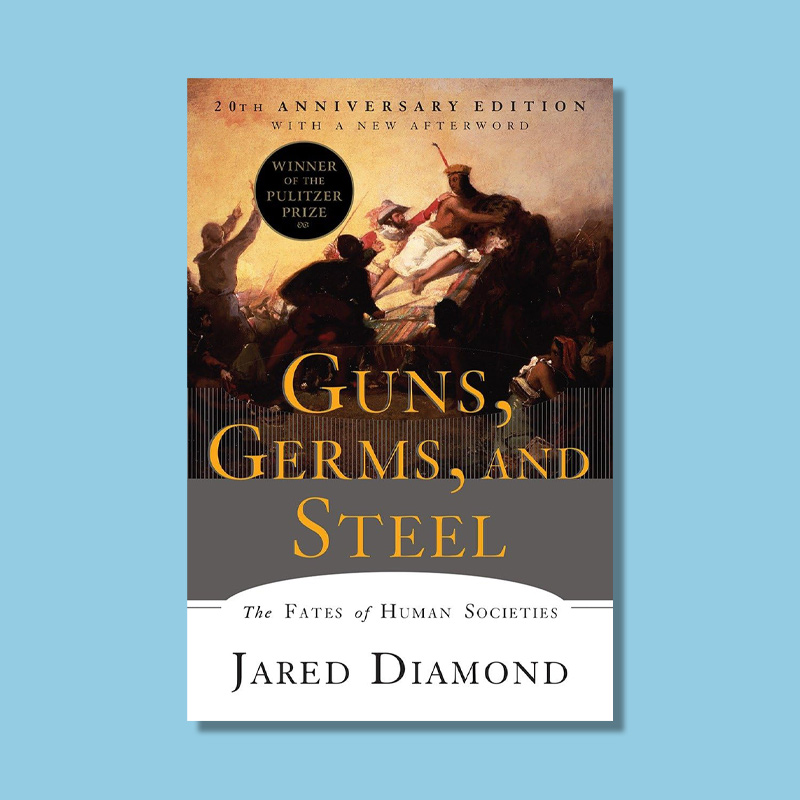 | | Guns, Germs, and Steel | | By Jared Diamond | | One of the most influential nonfiction works about the world we live in, Diamond's book is a rigorous study of the human-made and environmentally determined factors that gave European nations leverage in their quest for more land. He grounds his research in his past work as a biologist and his experience in New Guinea. This is a great read for expanding your understanding of history. | | | | Julia Rittenberg, Word Smarts Writer | | | | We independently evaluate all recommended products and services. If you click on links we provide, we may receive compensation. |
|
| | Guns, Germs, and Steel | | By Jared Diamond | | One of the most influential nonfiction works about the world we live in, Diamond's book is a rigorous study of the human-made and environmentally determined factors that gave European nations leverage in their quest for more land. He grounds his research in his past work as a biologist and his experience in New Guinea. This is a great read for expanding your understanding of history. | | | | Julia Rittenberg, Word Smarts Writer | | | | We independently evaluate all recommended products and services. If you click on links we provide, we may receive compensation. |
|
| |
|




No comments:
Post a Comment