Why do we start letters with 'dear'? | | Learn the history of this centuries-old greeting and discover how it's evolved in the age of email. | |  | Samantha Abernethy |
|
| | 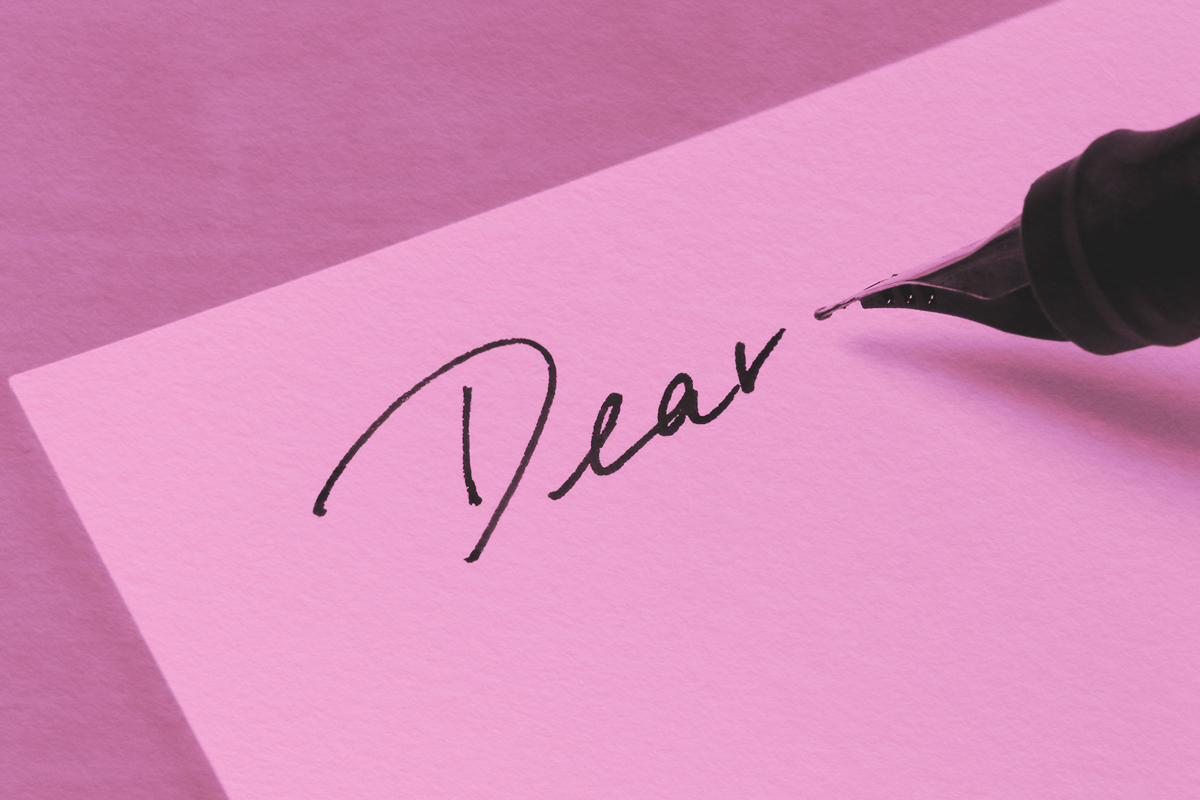 | | I n an early job, I got feedback that my email correspondence needed to be more sophisticated. I was firing off, "Hey, do you have that expense report?" while my boss preferred the formalities of a traditional letter, including a salutation (a "Dear" and title/name combo) and a complimentary closing (such as "Best regards" or "Sincerely"). That level of formality has dropped out of all but the most professional email communications, but the etiquette persists for handwritten letters. Where did "Dear" come from, what does it mean, and what other options are there for conscientious email writers?
The word "dear," from the eighth-century Old English "deoare," originally meant something was precious or costly, but evolved into calling out something/someone as special. (That first usage still exists, but it's less common.) "Dear" was used, starting around the 14th century, as a salutation for only the most intimate letters: "Dearest sister," "To my dear friend," etc. The phrase "dearly beloved" was introduced in a 1662 Bible translation called the "Book of Common Prayer," and it became a traditional component of wedding ceremonies (and the classic opener of a Prince tune), furthering the association of "dear" with loved ones. |
| | Continue reading | |  |
|
Emoji Decoded | | 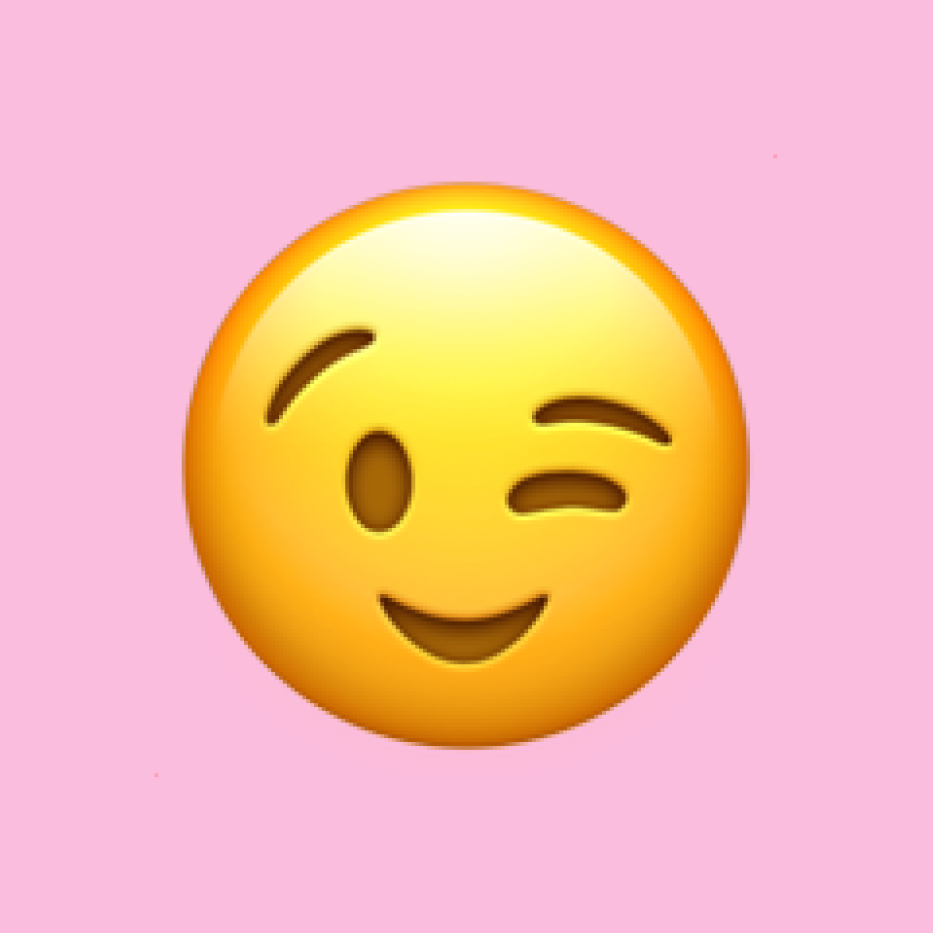 | | Winking Face | | | Meaning: Indicates a wink, but it's not the mischievous Smirking Face 😏 — 😉is used for lighthearted jokes, playfulness, flirtation, or to indicate a sarcastic tone.
Evolution: The 😉 is one emoji anyone should feel confident in using. It's the graphic representation of ;). If you've never used an emoji before, give the entry-level Winking Face a try the next time you're tapping out a joke.
Usage: [Text to a friend with an inside joke:] Don't forget to greet the squirrels 😉 🐿️ |
|
| | Winking Face | | | Meaning: Indicates a wink, but it's not the mischievous Smirking Face 😏 — 😉is used for lighthearted jokes, playfulness, flirtation, or to indicate a sarcastic tone.
Evolution: The 😉 is one emoji anyone should feel confident in using. It's the graphic representation of ;). If you've never used an emoji before, give the entry-level Winking Face a try the next time you're tapping out a joke.
Usage: [Text to a friend with an inside joke:] Don't forget to greet the squirrels 😉 🐿️ |
|
| |
Have you read? | |  | | Joni Mitchell: Chords of Inquiry | | By Yamily Habib | | Joni Mitchell is a legend of music history who has written hundreds of songs, poems, and more during her life. Here, Habib writes Mitchell's biography in her own words by pulling from decades of Mitchell's writing, as well as interviews and performances. | | | | Samantha Abernethy, Word Smarts Writer | | | | We independently evaluate all recommended products and services. If you click on links we provide, we may receive compensation. |
|
| | Joni Mitchell: Chords of Inquiry | | By Yamily Habib | | Joni Mitchell is a legend of music history who has written hundreds of songs, poems, and more during her life. Here, Habib writes Mitchell's biography in her own words by pulling from decades of Mitchell's writing, as well as interviews and performances. | | | | Samantha Abernethy, Word Smarts Writer | | | | We independently evaluate all recommended products and services. If you click on links we provide, we may receive compensation. |
|
| |
You might also like | |  | | | | Is It an Aphorism, Idiom, or Cliché? | | Some familiar phrases sharpen your writing while others quietly dull it. Learn how to tell an aphorism from an idiom — and why spotting a cliché matters more than you think. |
| | | |
|





No comments:
Post a Comment