 |
Maryland was the only state to refuse to enforce Prohibition. |
U.S. History |
 |
| |
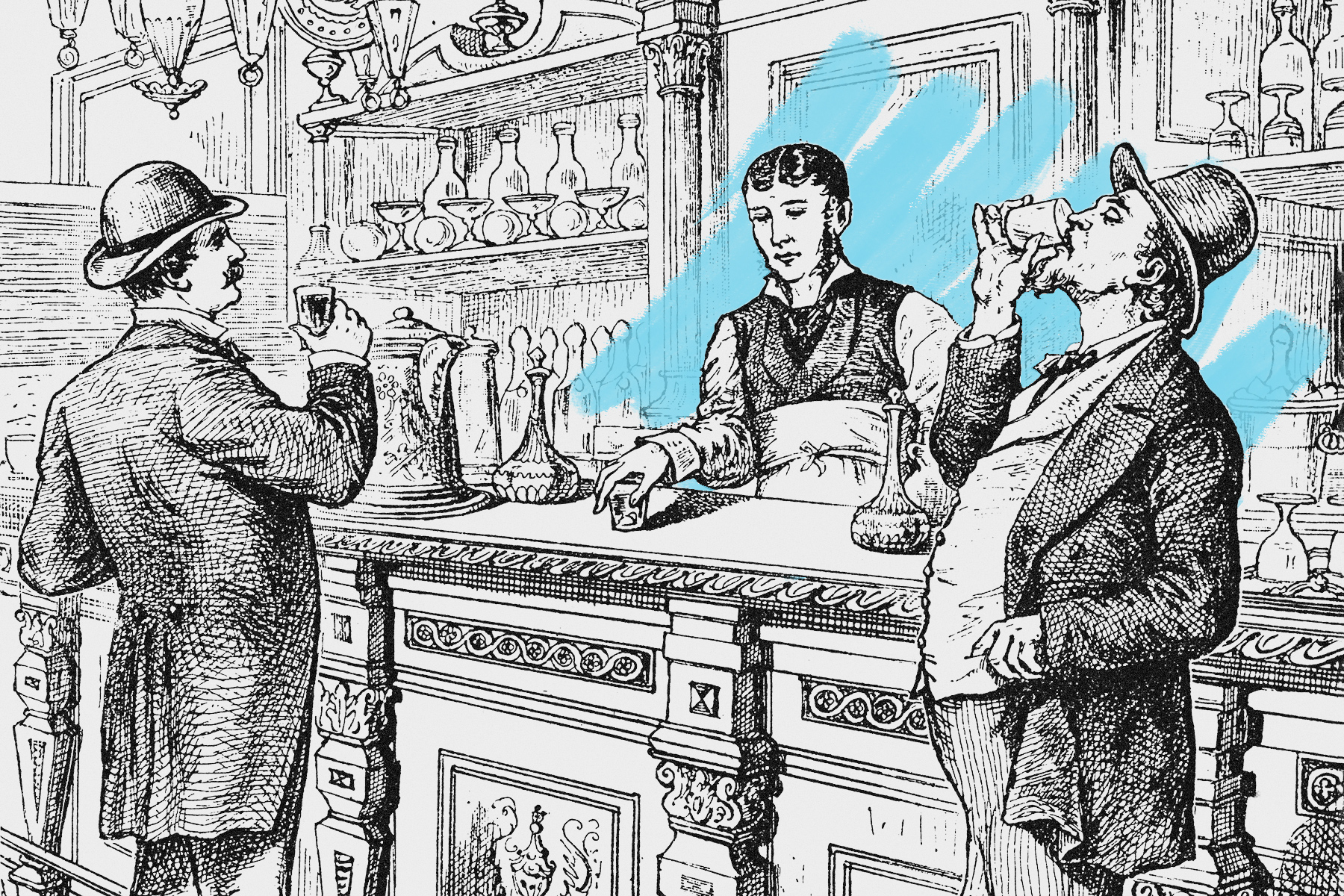
Although Maryland was the sixth state to ratify the 18th Amendment, its state government did not pass legislation to enforce the federal law. The 18th Amendment stipulated that "Congress and the several States shall have concurrent power to enforce this article by appropriate legislation." But Maryland was the only state that never passed an enforcement law, refusing to commit any resources to policing the ban. Throughout the 1920s, Maryland earned a reputation as a "wet" state, and the Chesapeake Bay was a hot spot for bootleggers importing illegal liquor from overseas. | |
Maryland's anti-Prohibition stance was led by local politicians such as Governor Albert Ritchie, who called the 18th Amendment an "unwarranted invasion by the Federal Government of the liberties of the Maryland People." But the state was not alone in disliking the ban on booze, which was widely unpopular by the end of the 1920s. Prohibition inadvertently created a host of new societal problems, including a sharp rise in crime and a severe loss of federal tax revenue. The ratification of the 21st Amendment ended the failed experiment in 1933, and while most Americans celebrated Repeal Day with gusto, the beer may have tasted slightly sweeter at bars and taverns across the Free State. |

 | |||||||||
By the Numbers | |||||||||
| |||||||||
| |||||||||
| |||||||||
| |||||||||
One of Al Capone's brothers was a Prohibition agent. | |||||||||
Although legendary mobster Al Capone entered the world of organized crime with his brothers Ralph and Frank, not all of the nine Capone children chose a life of crime. Al's older brother Vincenzo joined the other side of the law as a federal Prohibition agent. As a teen, Vincenzo avoided the crime associated with Brooklyn's street gangs, spending most of his time at local horse stables. At 16, he ran away from home and joined a traveling circus. He changed his name to James Hart (after the Hollywood actor William S. Hart) and lengthened it to Richard James Hart when he joined the military during World War I. After the war, he moved to Nebraska and became an actor, adopting not only his hero's cowboy boots and 10-gallon hat, but also his nickname, styling himself Richard "Two-Gun" Hart. He became the town marshal of Homer, Nebraska, and served as a federal Prohibition enforcement officer, leading successful raids in Nebraska and South Dakota for both the Prohibition Bureau and Bureau of Indian Affairs. He eventually reunited with his family in the 1940s. | |||||||||

| |||
Recommended Reading | |||
 | |||
World History | |||
| |||
 | |||
Arts & Culture | |||
| |||
| + Load more | |||
| |||||||||||||||||||||||||||||||||||||||||||||||||||||||







| |||||||||
| 325 North LaSalle Street, Suite 200, Chicago, IL 60654 | |||||||||
|


No comments:
Post a Comment