Sunday, March 1, 2026

What's the oldest musical instrument?

Make every day more interesting. Each day a surprising fact opens a world of fascinating information for you to explore. Did you know that….?

March 1, 2026

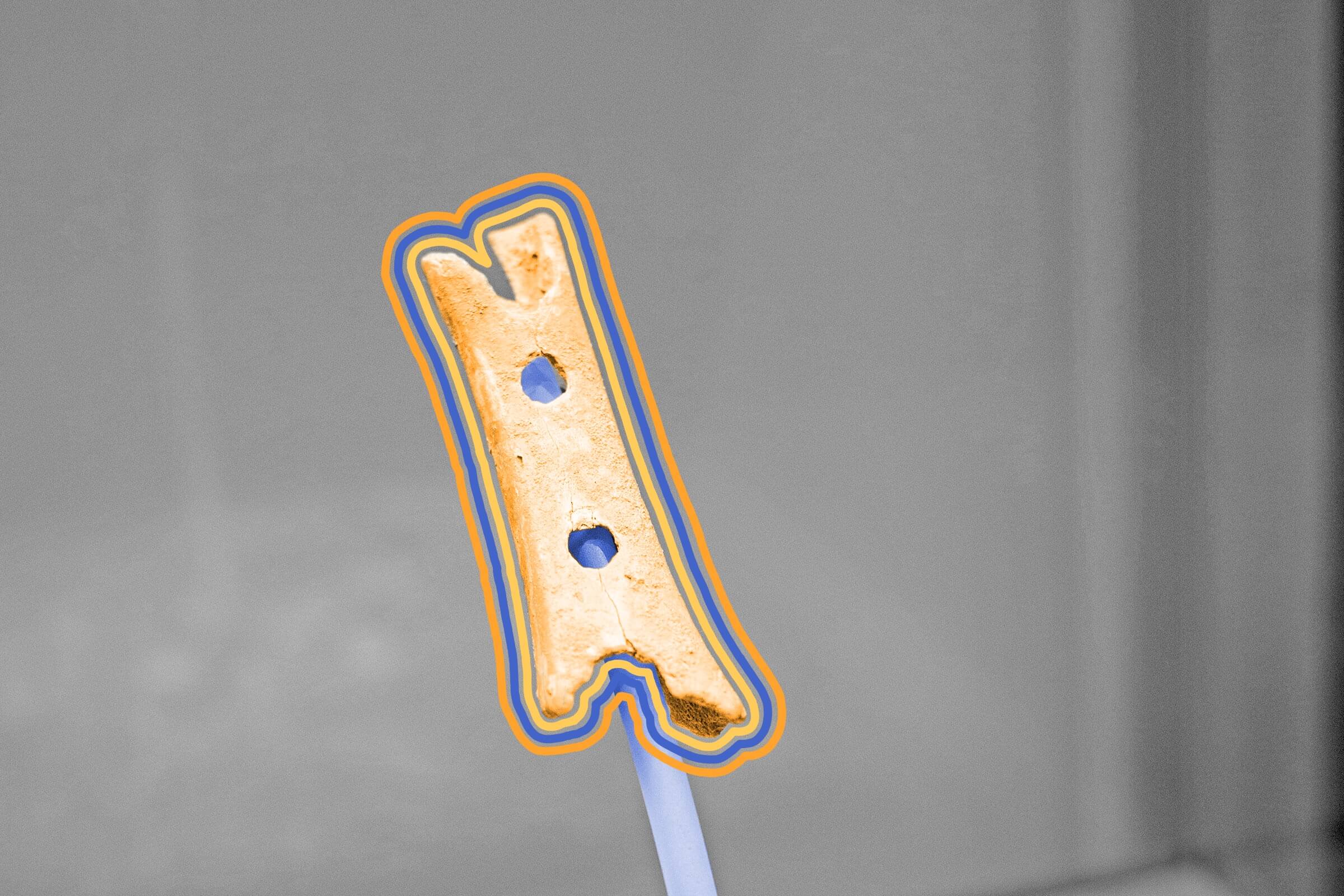
Original photo by Tjasa Janovljak/ Alamy Stock Photo

The oldest known musical instrument is thought to be a Neanderthal flute.

Music is powerful. Research shows it can help us sleep better, jog our memories, and even reduce anxiety and blood pressure. It also serves as a social tool and has helped humans mark special occasions such as religious festivals, weddings, and funerals for thousands of years — or maybe even longer. In fact, some scientists believe that the oldest musical instrument may date back around 60,000 years. In 1995, archaeologists unearthed an object that might be the world's oldest musical instrument, a flute found in the Divje Babe cave in western Slovenia. The flute, which some researchers think was made by Neanderthals, was found near the remains of a prehistoric fire pit and fashioned from a bear femur; it has a carved mouthpiece and three spaced holes that may have been used to create different tones. Some scientists believe the instrument was ergonomically designed for a right-handed musician.

However, not everyone agrees that the Divje Babe cave flute is actually an instrument. A study published in 2015 suggests that the object wasn't a musical creation or even the work of Neanderthals, but instead was made by scavenging predators. According to an examination by paleontologist Cajus Diedrich, the bones didn't show any evidence of drilling from stone tools, but instead had teeth markings likely caused by ice age hyenas. However, Diedrich's theory is heavily contested by other biologists who have performed bone-cracking tests and created playable replicas. They argue that it would be unlikely for an animal to accidentally create such an artifact — though we may never know exactly who did.

Are You Too Young To Think About How You're Aging? Probably Not

Starting in our 30s, some key cellular processes begin to slow down, making us feel tired and weak over time. This decline affects not just our physical strength and endurance, but significantly reduces our quality of life, making everyday activities harder to enjoy. Luckily, scientists have discovered a way to shape how we age. Mitopure®, by Timeline, targets the root cause of this cellular decline and is clinically proven to increase cellular energy, giving our bodies the energy they need to function optimally. The results? Double-digit increases in muscle strength without any change in exercise.Take aging into your own hands. Interesting Facts readers get 30% off with code 30NEWSLETTER for a limited time, while supplies last.

*500mg Mitopure® have been shown to (1) induce gene expression related to mitochondria function and metabolism and (2) increase the strength of the hamstring leg muscle in measures of knee extension and flexion after 4 months in overweight 40-65 year olds.

Order Now

*This content is brought to you by our sponsor, which helps keep our content free.

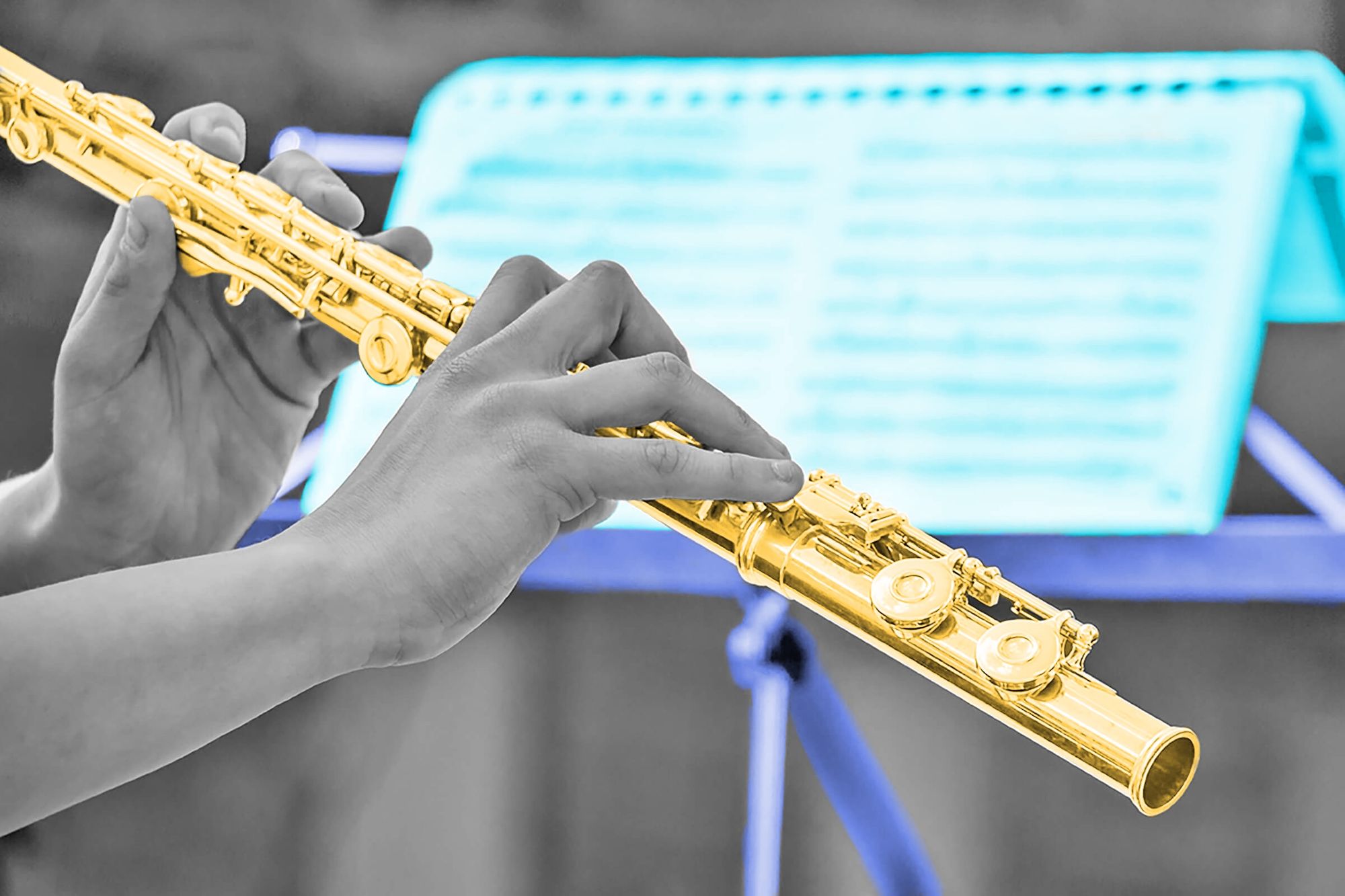
First Lady Dolley Madison may have once saved a flute from British troops.

"The Magic Flute," written in 1791, was the last opera composed by __.


The earliest known recorders date back to the 1300s.

Modern recorders are nearly identical to their popular musical ancestors, which emerged in the 14th century. The earliest known recorders were made from wood or ivory and came in a variety of sizes, with the largest used to mimic bass tone. Like today's versions, they generally had seven finger holes and one thumbhole. Recorders were fundamental to Renaissance and Baroque music, and were featured in performing ensembles throughout Europe in the Middle Ages. However, they fell out of popularity during the 18th century as modern flutes became more popular. Nevertheless, simple plastic recorders eventually became an important part of musical education as a tool for the youngest performers — albeit one that is sometimes bemoaned by parents.

Today's edition of Interesting Facts was written by Nicole Garner Meeker and edited by Bess Lovejoy.

 
We love to collaborate. To learn more about our sponsorship opportunities, please connect with us here.
325 North LaSalle Street, Suite 200, Chicago, IL 60654
Advertisements powered by LiveIntent • AdChoices

No comments:

Post a Comment