Why do we call red-haired people 'ginger'? | | Red hair comes with many nicknames and a reputation for certain personality traits, but the most common association comes from a spice. How did we start calling redheaded people "ginger"? | |  | Julia Rittenberg |
|
| | 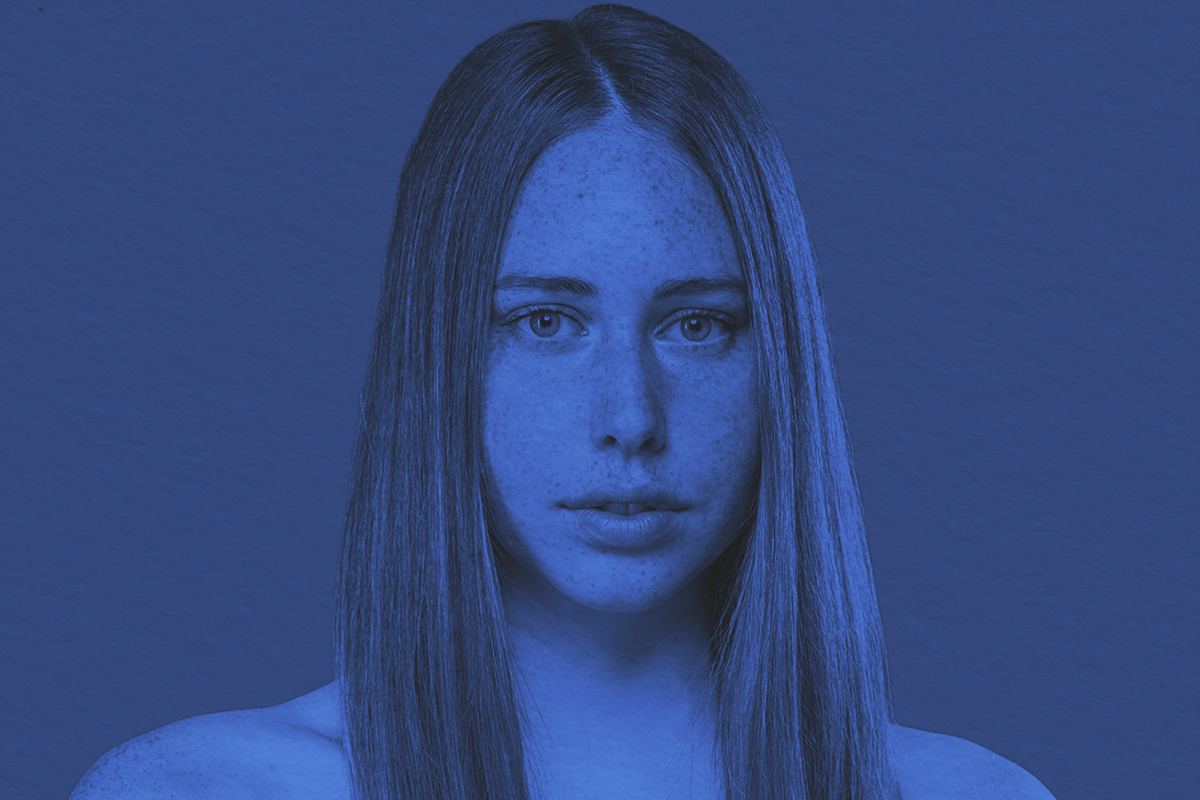 | | T he color of ginger root, the spice, is yellow or light brown. However, when we use the word "ginger" to refer to a person, we're talking about the color of their hair (and sometimes their skin tone and freckles). A ginger is a redhead, but the spectrum of the hair color can include hues that are reddish-brown, more orange, strawberry blond, or copper. Think of the diversity among some famous redheads, such as Julianne Moore, Rupert Grint, and Prince Harry.
Despite the highly recognizable nature of red hair, there are relatively few redheads around the world. Gingers make up about 1% to 2% of the population, and the hair color is most common in people of Northern European ancestry. Going back to genetics lessons and a Punnett square, red hair is a recessive gene. Two parents may have brown hair and end up with a ginger child because they both carry the recessive red hair gene. Ginger-haired people usually also have pale skin and freckles. |
| | Continue reading | |  |
|
Emoji Decoded | | 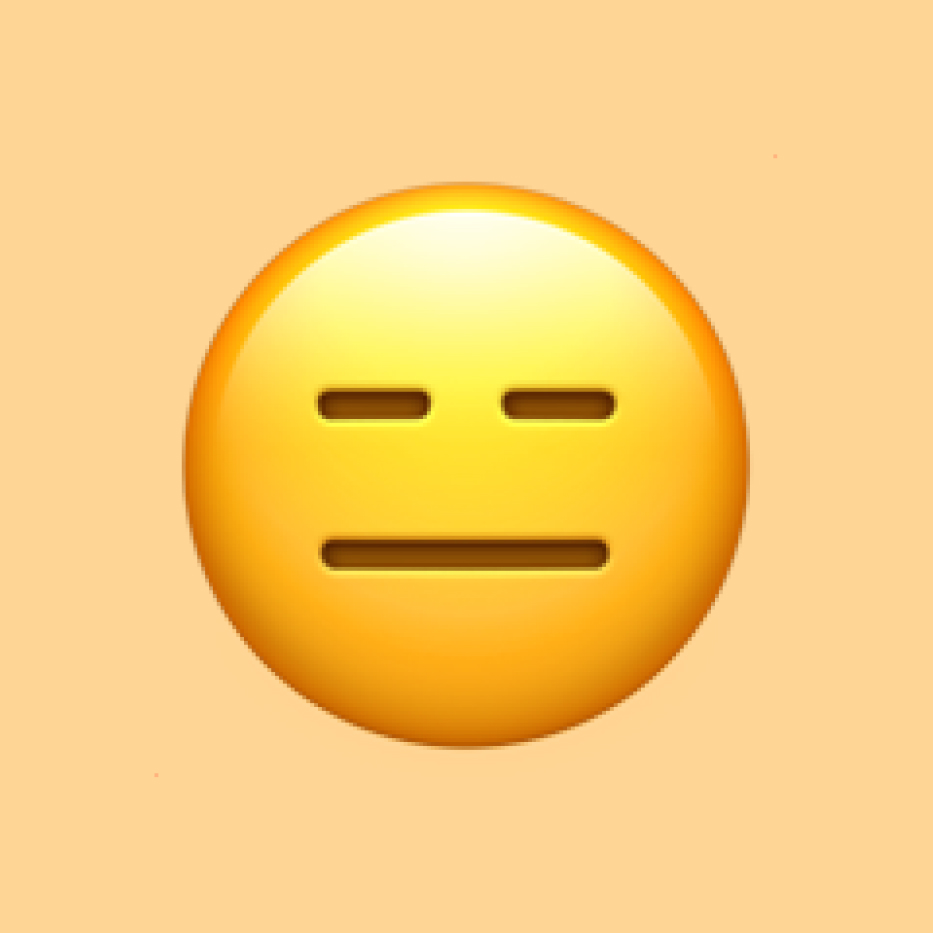 | | Expressionless Face | | | Meaning: While the name is "expressionless," it indicates extreme annoyance or frustration.
Evolution: This hasn't changed much since the first emoji release, but in regard to level of emotions, it tends to convey more intense feelings than Neutral Face 😐.
Usage: Spot this in the captions of videos explaining a frustrating situation. Pairs well with 🙄😶🤐. |
|
| | Expressionless Face | | | Meaning: While the name is "expressionless," it indicates extreme annoyance or frustration.
Evolution: This hasn't changed much since the first emoji release, but in regard to level of emotions, it tends to convey more intense feelings than Neutral Face 😐.
Usage: Spot this in the captions of videos explaining a frustrating situation. Pairs well with 🙄😶🤐. |
|
| |
Have you read? | | 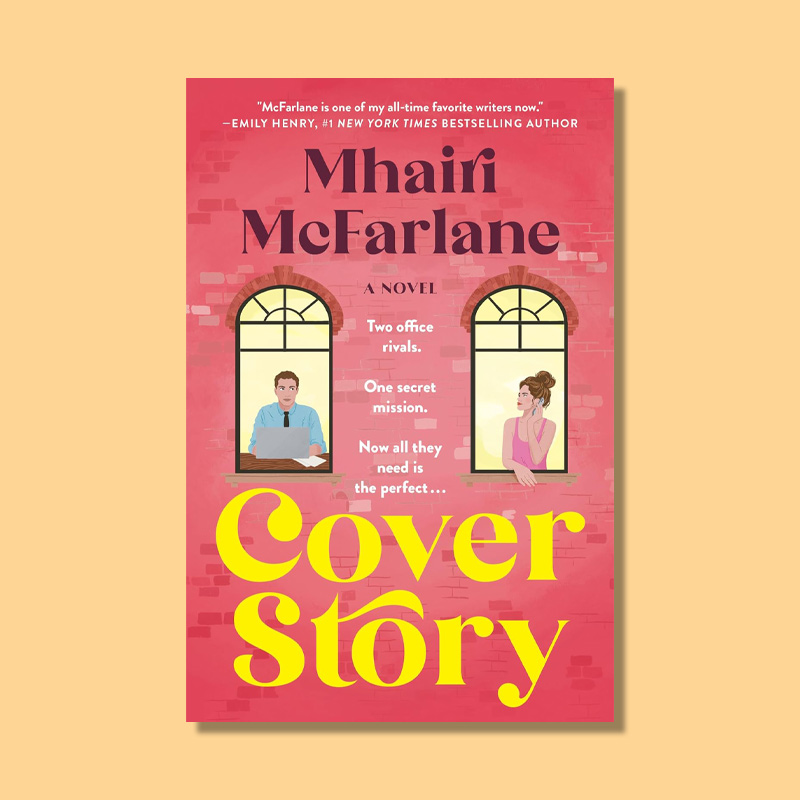 | | Cover Story | | By Mhairi McFarlane | | This romance novel melds a couple of the most popular tropes of the genre: enemies-to-lovers and fake dating. Journalist Bel McCauley finds Connor, an intern who is in his 30s but looking for a career change, deeply annoying. He, in turn, thinks she's rude. But when their paths cross while reporting on a sensitive story, they must improve their relationship. Crackling chemistry makes this a standout romance read. | | | | Julia Rittenberg, Word Smarts Writer | | | | We independently evaluate all recommended products and services. If you click on links we provide, we may receive compensation. |
|
| | Cover Story | | By Mhairi McFarlane | | This romance novel melds a couple of the most popular tropes of the genre: enemies-to-lovers and fake dating. Journalist Bel McCauley finds Connor, an intern who is in his 30s but looking for a career change, deeply annoying. He, in turn, thinks she's rude. But when their paths cross while reporting on a sensitive story, they must improve their relationship. Crackling chemistry makes this a standout romance read. | | | | Julia Rittenberg, Word Smarts Writer | | | | We independently evaluate all recommended products and services. If you click on links we provide, we may receive compensation. |
|
| |
|





No comments:
Post a Comment