T oday, nostalgia means getting sentimental about childhood snacks or reruns of TV shows we only half remember. But in centuries past, it was treated as a deadly medical disorder — one that could land you in the infirmary, the stockade, or, in extreme cases, an early grave. |
|
|
The term "nostalgia" was coined in 1688 by Swiss physician Johannes Hofer, who combined the Greek nostos ("homecoming") and algos ("pain"). At the time, it was understood to mean something closer to what we call "homesickness" today. Hofer saw the condition most often among young people living far from home, such as soldiers, servants, or children sent out to nurse in the countryside. Symptoms supposedly ranged from melancholy, loss of appetite, and "frequent sighing" to disturbed sleep, heart palpitations, and suicide. Hofer prescribed a single cure for the disease: sending the patient home, although vomiting, mercury, and/or opium were said to help until the patient was strong enough to bear the journey. |
|
Swiss mercenaries had a particular reputation for nostalgic collapse. According to one belief, the songs that Swiss cowherds used to call the flock for milking could trigger the illness reliably in troops, so performing these songs was reportedly punishable by death. Autumn was considered an especially dangerous season for susceptible soldiers, perhaps because the falling leaves stirred thoughts of home. |
|
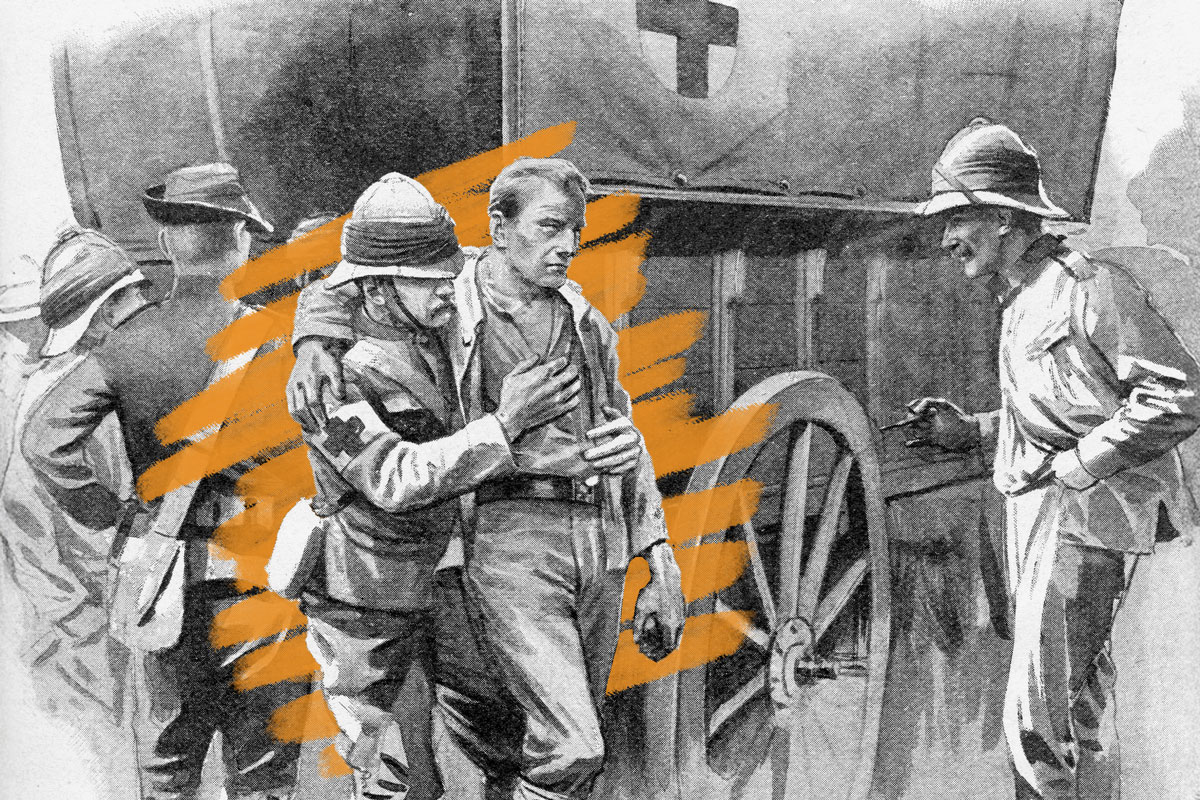
At best, patients were returned to their families and sometimes recovered almost immediately. Others were subjected to leeches and stomach purging. A French military doctor, Jourdan Le Cointe, recommended "inciting pain and terror," and in 1733 a Russian commander reportedly buried at least one nostalgic soldier alive to discourage further cases. During the American Civil War, doctors preferred public shaming; nostalgia was considered unmanly and weak-willed. |
|
By the 19th century, nostalgia faded as a formal diagnosis, absorbed into melancholy and what we would now describe as trauma. Today, psychologists see nostalgia as largely beneficial — a resource that can boost mood, inspire optimism, and strengthen social bonds. In other words, nostalgia is no longer something to die from, just something to sigh about. |
















No comments:
Post a Comment