 |
Town planning was an Olympic sport. |
Arts & Culture |
 |
| |
Olympic architecture competitions began in 1912, and the committee split the category into town planning and architectural design in 1928, although there was a pretty significant overlap between the two. While medals for architectural design were awarded primarily for buildings, the town planning subcategory left room for other municipal projects such as parks. Fittingly, many winners in both categories were projects related to athletics; every single gold medal winner across both categories was some kind of arena or sports facility, although that was not part of the criteria for entry. | |
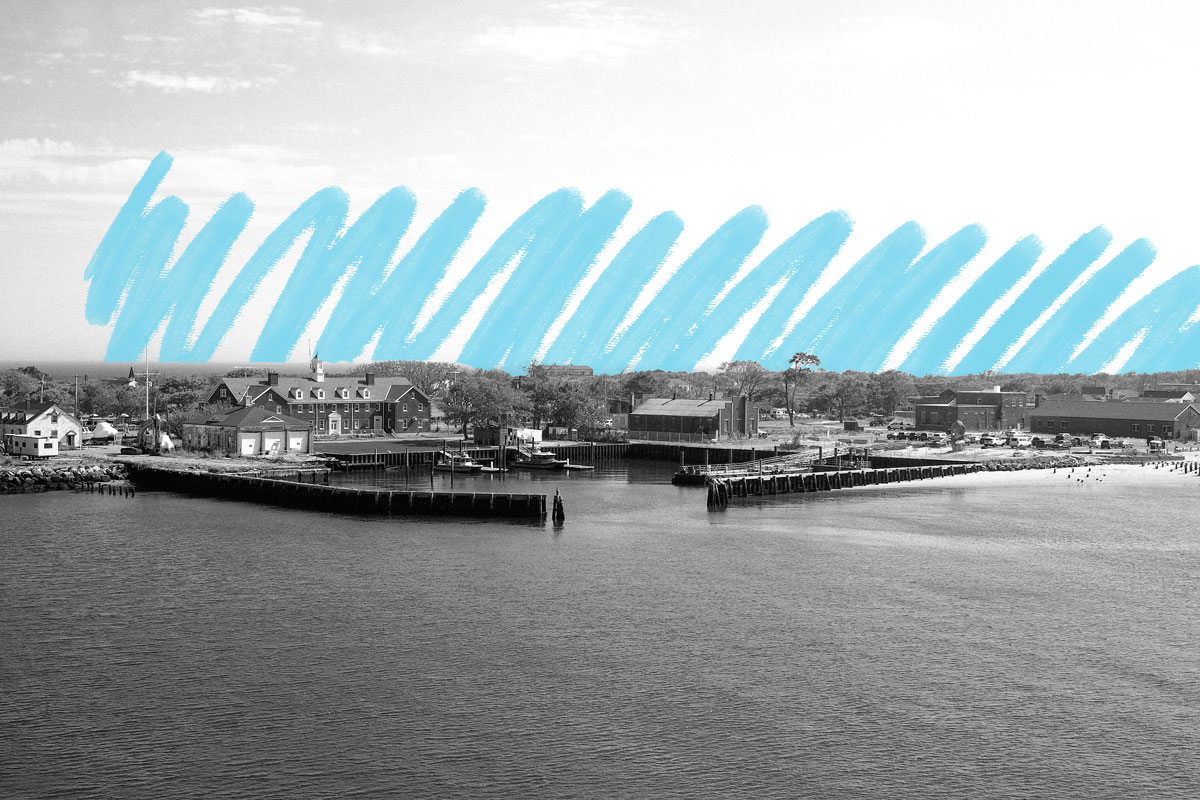
The only medal the United States won in the town planning category was a silver medal in 1936 to Charles Downing Lay for an ambitious earlier design for Marine Park in Brooklyn. (It's currently the borough's largest park, but the original plans would have made it even larger than Manhattan's Central Park and Brooklyn's Prospect Park combined.) The victory was heavily overshadowed by its setting in Nazi Germany; that year's gold medal, judged by a panel composed mostly of German judges, went to two German brothers who designed Reichssportfeld, a venue used for the Berlin Games. | |
In 1952, the arts competitions were scrapped and replaced with noncompetitive cultural programs such as performances and festivals. Many historians attribute this to how difficult it was to determine who was an amateur artist and who was professional, since it affected their eligibility for the Games. It might be pure coincidence that the committee president that year had entered the literary competition twice without taking home a medal. |
 |
These Are the Rolls-Royce of Hearing Aids (And Under $100) |
Shoppers are going nuts over these low cost hearing aids that are virtually invisible. Discover how these affordable hearing aids are changing the lives of people everyday. |
*This content is brought to you by our sponsor, which helps keep our content free. |
 | |||||||||
By the Numbers | |||||||||
| |||||||||
| |||||||||
| |||||||||
| |||||||||
There was a firefighting competition at the Olympics. | |||||||||
While firefighting wasn't an official Olympic sport in 1900, to the casual event attendee, it may as well have been. The 1900 Paris Games were absolutely chaotic — they were the second-ever modern Olympic Games, wrapped up in the 1900 Paris Exposition, and generally poorly planned. Competitions were spread out over five whole months, and, because a different planning committee had usurped the International Olympic Committee, events weren't consistently billed as official Olympic events. As a result, more traditional Olympic sports such as cycling and rowing were billed alongside contests in cannon shooting, line-fishing, and, yes, firefighting. | |||||||||

| |||
Recommended Reading | |||
 | |||
Science & Industry | |||
| |||
 | |||
Arts & Culture | |||
| |||
| + Load more | |||
Allergy Season Is Here. Your Nose Knows. |
While everyone else is stocking up on tissues and antihistamines, smart people are getting air ionizers for their bedrooms. |
*This content is brought to you by our sponsor, which helps keep our content free. |
| |||||||||||||||||||||||||||||||||||||||||||||||||||||||









| |||||||||
| 325 North LaSalle Street, Suite 200, Chicago, IL 60654 | |||||||||

No comments:
Post a Comment