 | | February 20, 2026 |  |
|
|
| Plastic food storage containers have a way of multiplying in our cupboards. They sneak in through takeout deliveries and the inevitable transfer of custody that happens whenever a friend sends you home with leftovers. While glass is aesthetically pleasing, plastic containers are considerably more affordable, shatterproof, and lightweight — making them the ideal choice for bringing your lunch to work. But whether you prefer the name-brand Tupperware or a budget-friendly alternative, the convenience comes with a catch. |
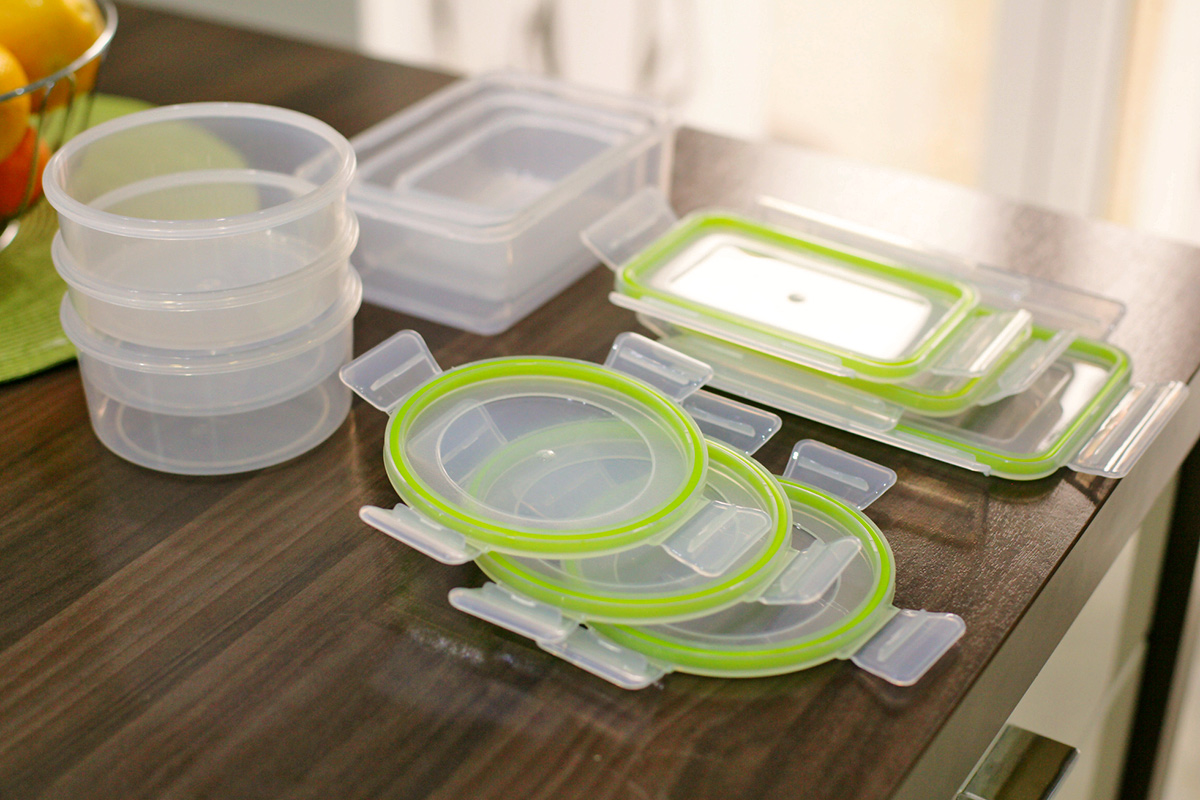 | | Credit: Bibica/ iStock |
|
| Since plastic is porous, food odors can easily seep into the material, leaving behind an off-putting scent that seems impossible to get rid of, even after the container is run through the dishwasher. Instead of scrubbing, reach for a sheet of black-and-white newspaper to get rid of the smell. |
| Newspaper is made of highly porous fibers and carbon-based ink. The fibers absorb the odor-causing molecules like a sponge, and the ink works to neutralize them. To get rid of food smells in plastic containers, crumple a sheet of newspaper, stuff it inside the container, and secure the lid. For best results, place the container in a sunny spot in your home. The warmth helps release the odor-causing molecules, making them easier to trap, while UV rays help break down the chemical bonds of those lingering scents. Let the container sit overnight for a quick refresh. If you're dealing with a particularly stubborn smell, you can leave it for a few days (up to four) until you're satisfied with the results. |
| A Bright Idea for Stained Plastic |
| If your clear plastic containers are sporting an orange glow — whether it be from spaghetti and meatballs or coconut chicken curry — you're going to want to try this trick. Direct sunlight can significantly fade and reduce discoloration on plastic food storage containers. You can up the ante by rubbing a cut lemon over the stained areas; the citric acid acts as a natural bleach, working with the UV rays to lift away stains. For more stubborn cases, mix 3 tablespoons of baking soda with 1 tablespoon of water until it forms a thick paste. Apply it generously to the stained areas and let it sit for 30 minutes to an hour before scrubbing. The baking soda cuts through grease and acts as a mild abrasive, buffing out those deep-set stains. |
|
| *This content is brought to you by our sponsor, which helps keep our content free. |
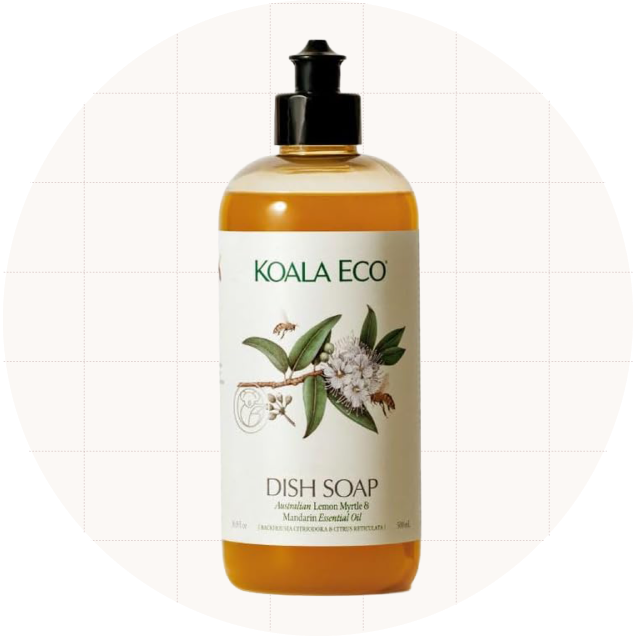 | | Koala Eco Dish Soap, 16 Ounces | | I caught a glimpse of this product in a friend's kitchen sink at a recent dinner party. It smells heavenly — with notes of Australian lemon myrtle and mandarin orange — while cutting through grease and grime with impressive suds. The dish soap is made in the United States using Australian essential oils (no synthetic fragrances here) and packaged in recycled bottles. Founded by a husband-and-wife duo, the brand sells other fresh-smelling products, including hand wash, kitchen cleaner, laundry wash, bathroom cleaner, and body wash. — Kelsey Morrison, House Outlook Editor |
|
| We independently evaluate all recommended products and services.
If you click on links we provide, we may receive compensation. |
|
| Jessie Quinn is a Los Angeles-based lifestyle journalist with words published in PEOPLE, StyleCaster, Apartment Therapy, The Spruce, Byrdie, and more. She has a Bachelor's Degree in fashion journalism from Academy of Art University and her work spans across many categories, including style, beauty, home, health, crafts, and more. |
|
|
|
|
| Was this email forwarded to you? |
|
| No longer interested in receiving our content? |
|
|
|
|


No comments:
Post a Comment