 |
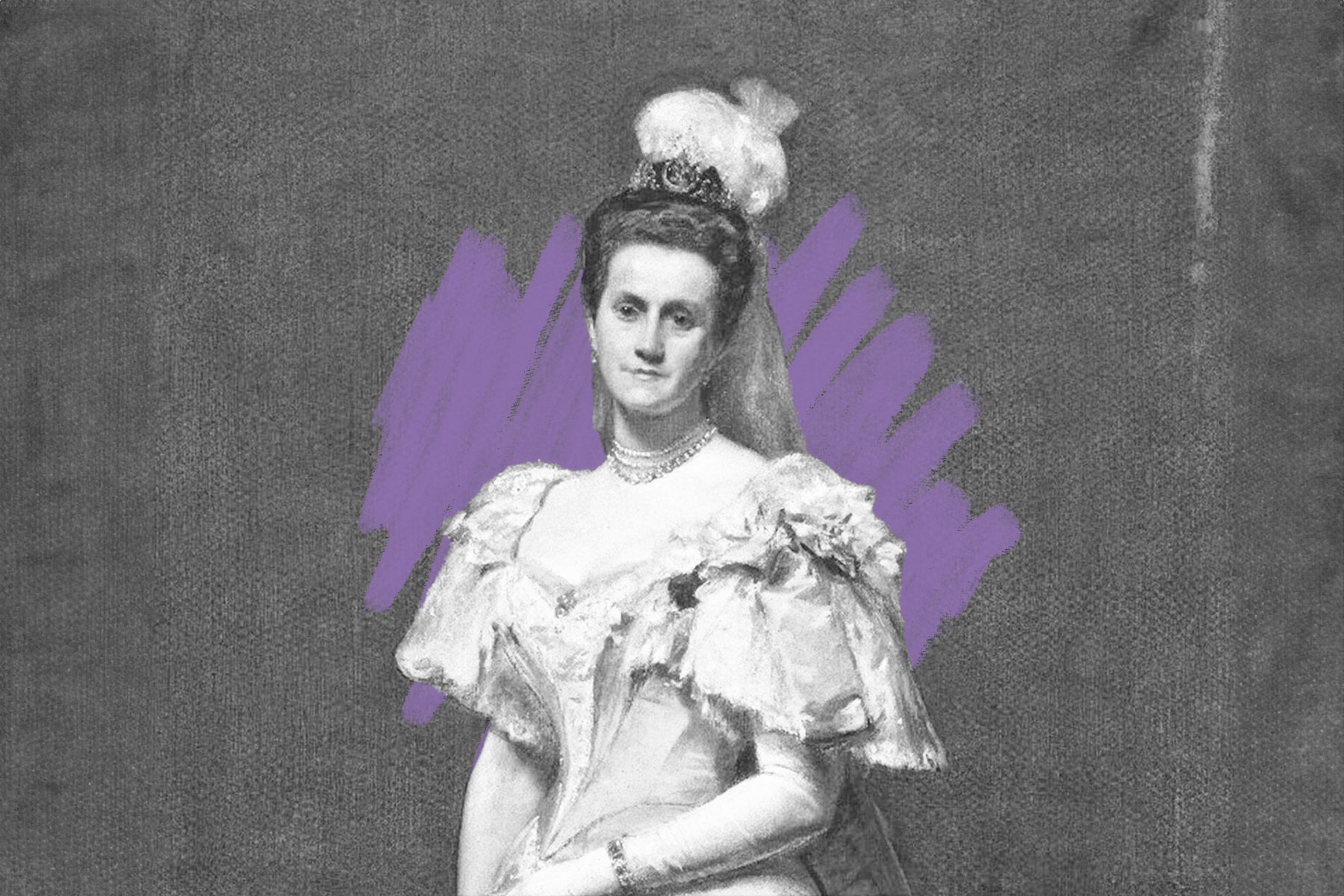
A woman oversaw the construction of the Brooklyn Bridge. |
Science & Industry |
 |
| |
Emily started out as a liaison between the bridge crew and her husband, but she had a good mind for engineering, and soon grew proficient in all aspects of the construction, so much so that some assumed she had fully taken over. She also had a sharp political mind, and was able to manage the complicated web of interests associated with the bridge — even convincing the mayor of Brooklyn, who was considering replacing the chief engineer, to keep her husband on. Though she served as the de facto head of the project, she had to keep the extent of her involvement hidden, fearing her husband would be replaced if people knew he wasn't in full control. | |
Washington Roebling, meanwhile, was too ill to manage the day-to-day work. He watched the progress through a telescope from a bedroom in Brooklyn Heights, but he stopped visiting the construction site. Emily later wrote in a letter to her son that her husband was "for years dead to all interest" in the project. When the bridge was finally completed, Emily rode in the first carriage to cross the impressive span, carrying a rooster for good luck. She was well aware of the magnitude of her accomplishment. "I have more brains, common sense and know-how generally than have any two engineers, civil or uncivil," she wrote in the same letter, "and but for me the Brooklyn Bridge would never have had the name Roebling in any way connected with it!" |
 |
Start Your Day Smarter |
Trusted by millions, 1440 provides daily fact-based insights across global events, business, politics, and culture. Experience clear knowledge in just five engaging minutes each day. |
*This content is brought to you by our sponsor which helps keep History Facts free. |
 | |||||||||
By the Numbers | |||||||||
| |||||||||
| |||||||||
| |||||||||
| |||||||||
The first creature to get the bends was a snake. | |||||||||
Pressurized chambers didn't exist until the Industrial Revolution, so decompression sickness is a relatively recent phenomenon. It was first observed in 1690 by Irish scientist Robert Boyle, who was experimenting with respiration by putting various animals in airtight containers before pumping the air out. When he threw a viper in there, it only swelled a little, but afterward its "body and neck grew prodigiously tumid, and a blister appeared upon the back." When researchers studied decompression sickness in humans in the 19th century — including observations of workers on the Brooklyn Bridge — they recognized that the viper had been suffering from the bends. | |||||||||

| |||
Recommended Reading | |||
 | |||
Arts & Culture | |||
| |||
 | |||
Famous Figures | |||
| |||
| + Load more | |||
| |||||||||||||||||||||||||||||||||||||||||||||||||||||||










| |||||||||
| 325 North LaSalle Street, Suite 200, Chicago, IL 60654 | |||||||||

No comments:
Post a Comment