Why do we call them 'brownie points'? | | Getting positive feedback often means you get a brownie point. Where did this phrase come from, and is it even food-related? | |  | Julia Rittenberg |
|
| | 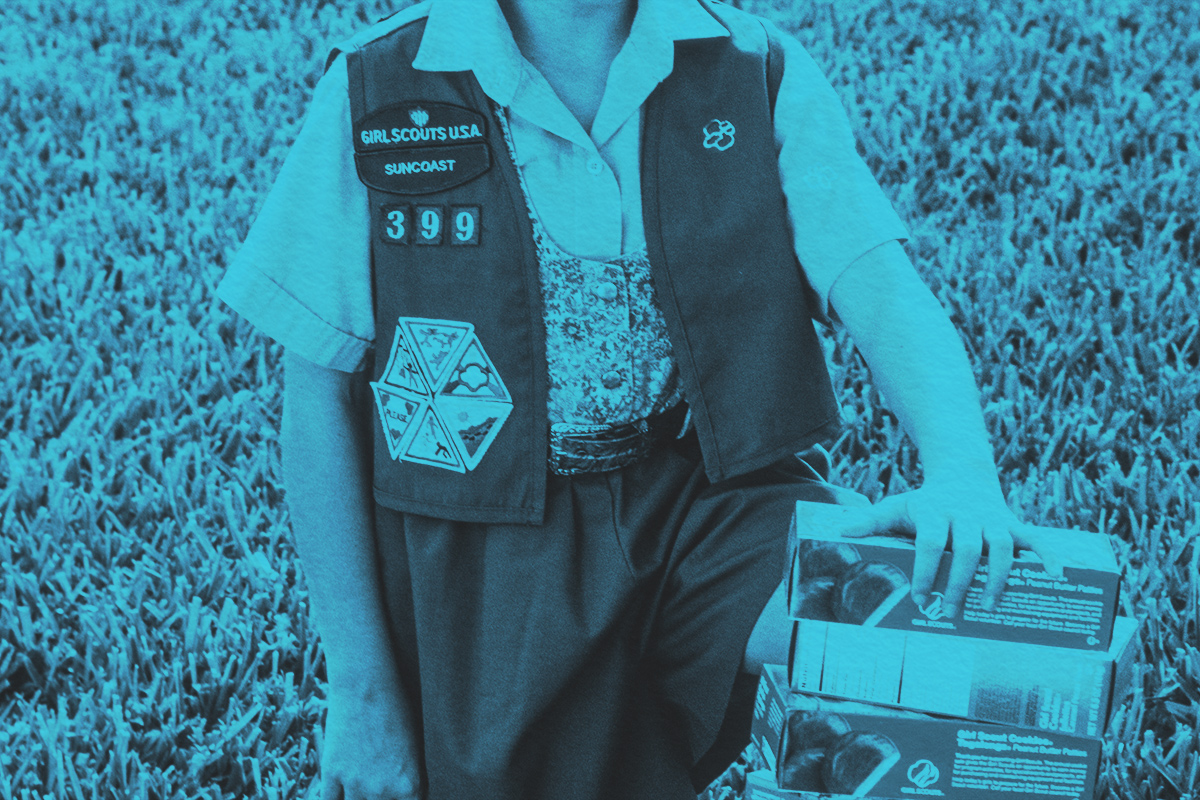 | | A brownie point is an unabashed win — you get credit for trying or succeeding at something. However, getting a brownie point does not mean you get an actual brownie. But even with no sweet treat involved, there's an interesting history behind the idiom.
Before there were points, brownies popped up in fairy tales as good-natured elves who performed helpful household tasks. You can find the use of this word with this definition in Jane Eyre by Charlotte Brontë: "You talk of my being a fairy; but, I am sure, you are more like a brownie." Young girls who were taught how to do household chores would earn the helpful-elf moniker. |
| | Continue reading | |  |
|
| | Advertisers help keep Word Smarts free | |
Emoji Decoded | | 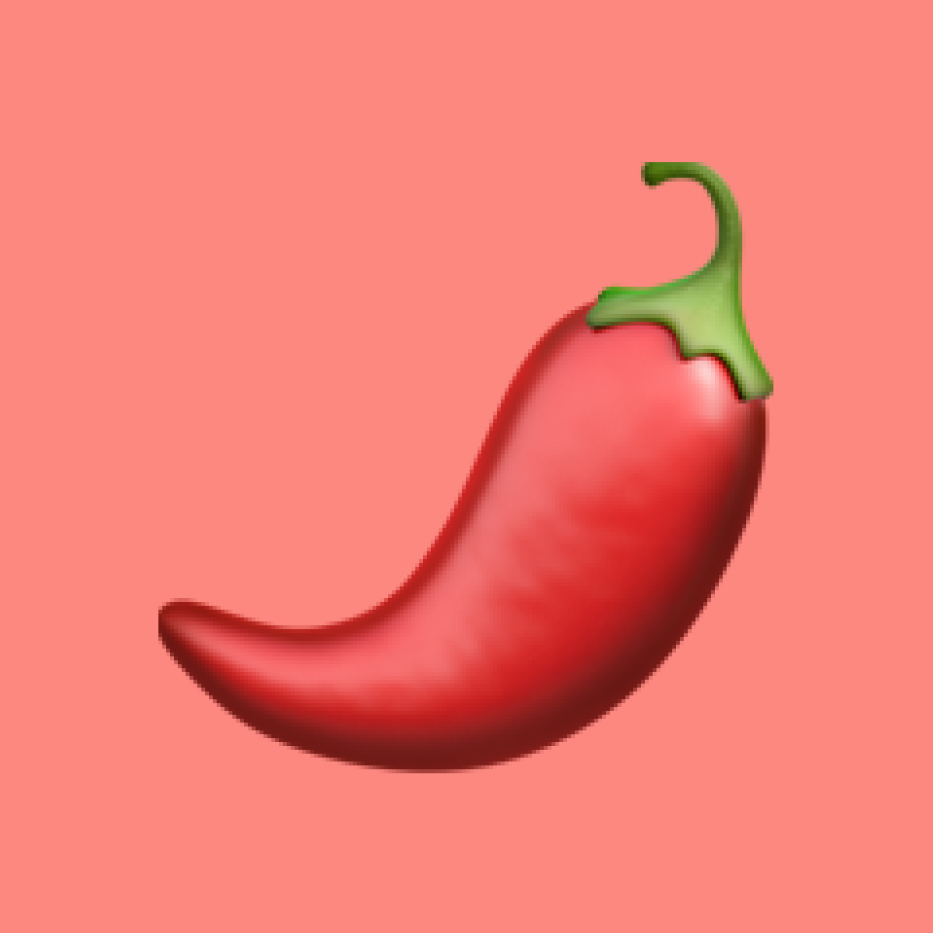 | | Hot Pepper | | | Meaning: Displays a red chili pepper, commonly used to represent spicy food or metaphorically hot situations.
Evolution: The Hot Pepper emoji varies significantly in appearance across platforms, from bright red to deep crimson, and with or without a stem. It's frequently used in spicy food contexts, but it also has become slang for describing attractive people or salacious situations.
Usage: [BookTok review:] This enemies-to-lovers has a spice rating of 🌶️🌶️🌶️ out of 5! |
|
| | Hot Pepper | | | Meaning: Displays a red chili pepper, commonly used to represent spicy food or metaphorically hot situations.
Evolution: The Hot Pepper emoji varies significantly in appearance across platforms, from bright red to deep crimson, and with or without a stem. It's frequently used in spicy food contexts, but it also has become slang for describing attractive people or salacious situations.
Usage: [BookTok review:] This enemies-to-lovers has a spice rating of 🌶️🌶️🌶️ out of 5! |
|
| |
Have you read? | | 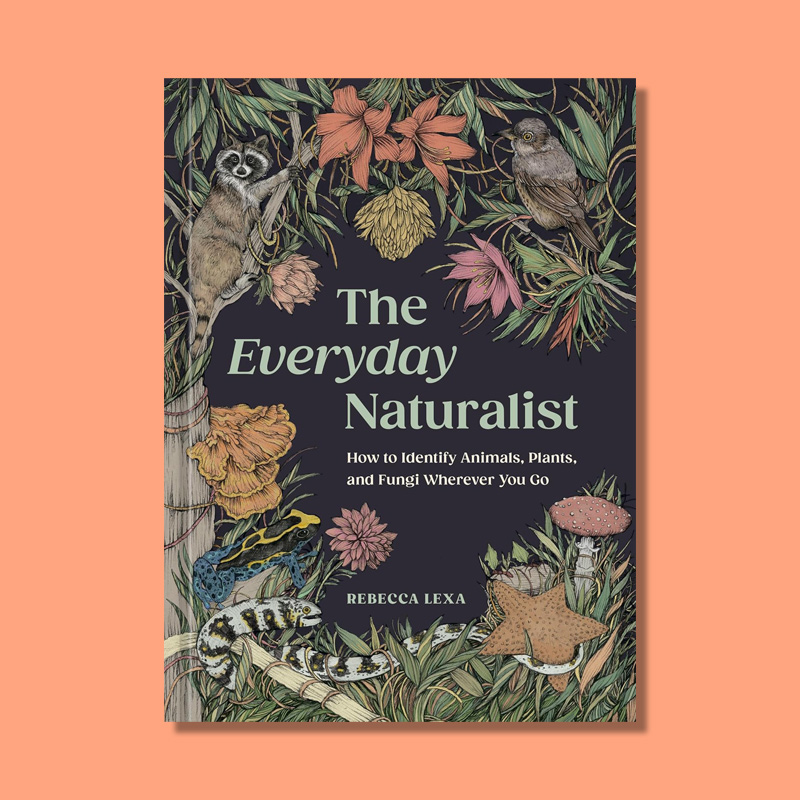 | | The Everyday Naturalist | | | | Whether you're at home or traveling to parts unknown on vacation, identifying the local flora and fauna is both a fun and useful activity. It's not just for survivalists — this book taps into a curiosity for the variety of creatures and growing things around us. If you're looking to up your identification game, Rebecca Lexa breaks everything down into manageable and useful categories, including distinguishing types of lichen, spotting poisonous fungi, and looking out for interesting animals. | | | | Julia Rittenberg, Word Smarts Writer | | | | We independently evaluate all recommended products and services. If you click on links we provide, we may receive compensation. |
|
| | The Everyday Naturalist | | | | Whether you're at home or traveling to parts unknown on vacation, identifying the local flora and fauna is both a fun and useful activity. It's not just for survivalists — this book taps into a curiosity for the variety of creatures and growing things around us. If you're looking to up your identification game, Rebecca Lexa breaks everything down into manageable and useful categories, including distinguishing types of lichen, spotting poisonous fungi, and looking out for interesting animals. | | | | Julia Rittenberg, Word Smarts Writer | | | | We independently evaluate all recommended products and services. If you click on links we provide, we may receive compensation. |
|
| |
| | Advertisers help keep Word Smarts free | |
|


No comments:
Post a Comment