Why do we say "eat crow"? | | Unlike chicken or turkey, crow isn't among the birds considered to be a culinary delicacy. But in a figurative sense, people have been eating crow since the mid-1800s. | |  | Bennett Kleinman |
|
| | 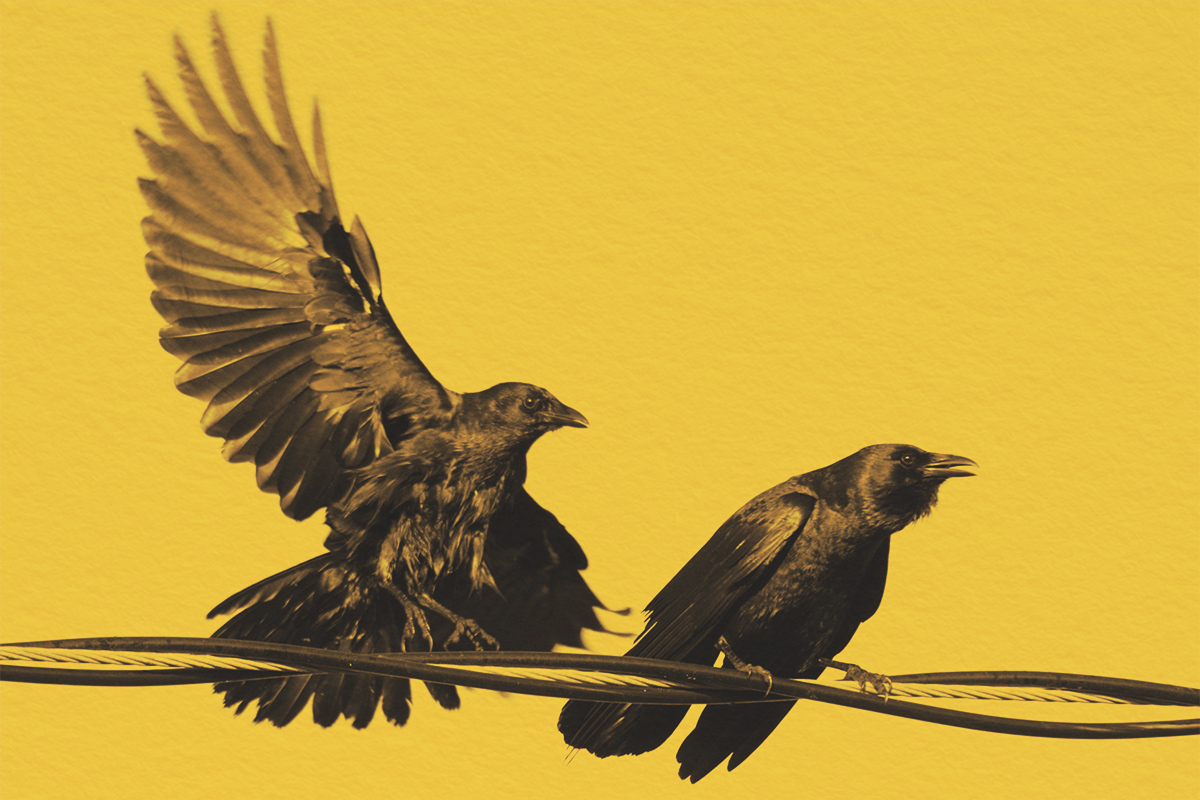 | | W hen dining out, you may order a plate of charbroiled chicken or decadent duck. But there are other birds you'll almost never see on a menu, such as crow, which is consumed only in a figurative sense. "To eat crow" means "to admit that one was wrong or accept that one has been defeated." But of all the animals in the menagerie, how did crows in particular come to be associated with this idiomatic walk of shame?
One popular theory can be traced back to the mid-19th century. The phrase purportedly comes from a series of similar yet slightly different versions of the same parable, which first appeared in an 1850 edition of Knickerbocker Magazine. |
| | Continue reading | |  |
|
| | Advertisers help keep Word Smarts free | |
Emoji Decoded | |  | | Lying Face | | | Meaning: Displays a face with a long Pinocchio-style nose, indicating lying or dishonesty.
Evolution: This emoji references the classic children's story of Pinocchio, whose nose grew when he lied. It's often used playfully rather than as a serious accusation.
Usage: [Text to a friend while you're running late:] I've definitely already left my house and I'll be there in 5 🤥 |
|
| | Lying Face | | | Meaning: Displays a face with a long Pinocchio-style nose, indicating lying or dishonesty.
Evolution: This emoji references the classic children's story of Pinocchio, whose nose grew when he lied. It's often used playfully rather than as a serious accusation.
Usage: [Text to a friend while you're running late:] I've definitely already left my house and I'll be there in 5 🤥 |
|
| |
Have you read? | | 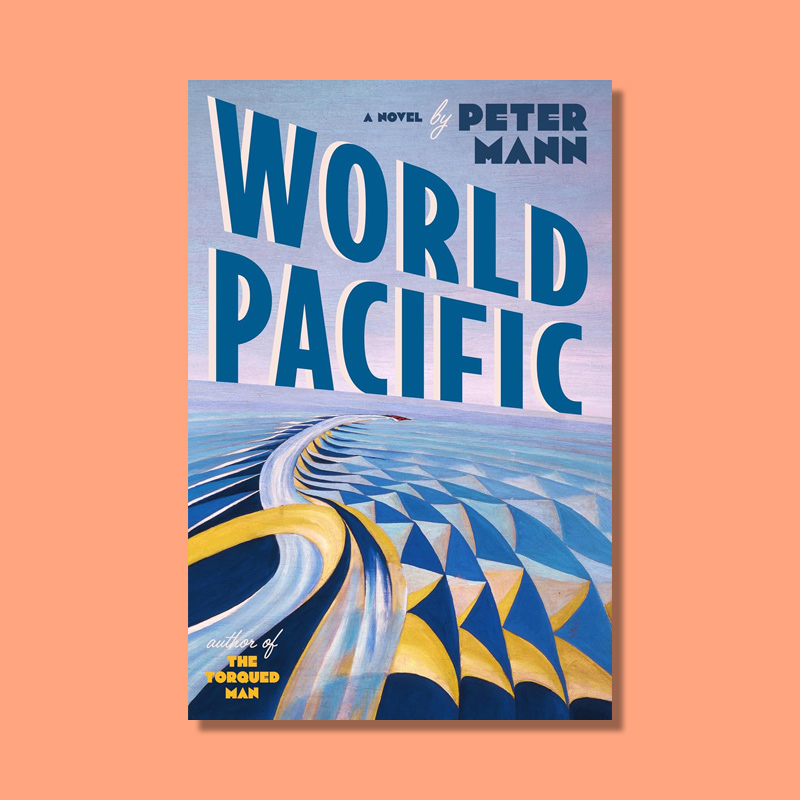 | | World Pacific | | | | Set against the backdrop of San Francisco's 1939 world's fair, this historical fiction blends adventure and intrigue with "what if" history. The novel begins with the disappearance of world-renowned explorer Dicky Halifax — a fictional character inspired by real-life explorer Richard Halliburton, who was lost at sea in 1939 while attempting to sail from Hong Kong to San Francisco. | | | | Samantha Abernethy, Word Smarts Writer | | | | We independently evaluate all recommended products and services. If you click on links we provide, we may receive compensation. |
|
| | World Pacific | | | | Set against the backdrop of San Francisco's 1939 world's fair, this historical fiction blends adventure and intrigue with "what if" history. The novel begins with the disappearance of world-renowned explorer Dicky Halifax — a fictional character inspired by real-life explorer Richard Halliburton, who was lost at sea in 1939 while attempting to sail from Hong Kong to San Francisco. | | | | Samantha Abernethy, Word Smarts Writer | | | | We independently evaluate all recommended products and services. If you click on links we provide, we may receive compensation. |
|
| |
You might also like | |  | | | | 6 Idioms Brits and Americans Say Differently | | Brits blow their own trumpets while Americans toot their own horns — and that's just the beginning. Here are some common idioms that share the same meaning but sound entirely different depending on which side of the Atlantic you're on. |
| | | |
| | Advertisers help keep Word Smarts free | |
|


No comments:
Post a Comment