What does it mean to 'cut the cord'? | | This idiom has modern technological connotations, but the original usage is much older. Let's trace the roots of the independent meaning. | |  | Bennett Kleinman |
|
| |  | | S tarting about 10 to 15 years ago, "cutting the cord" became a big phrase in regard to technological independence. We were saying goodbye to wired internet connections, eschewing cable services in exchange for streaming platforms, and replacing home phones with mobile-only lines. "Cut the cord" has long been an idiom used to describe a greater sense of independence, but it is not limited to and didn't start with technology (even though "cord" may imply as such).
The word "cord" first appeared in English during the 1300s, long before cable television existed. It came from the Old French corde, and it meant "a string or small rope composed of several strands twisted or woven together." During the late 14th century, "cord" took on a more figurative meaning, referring to anything that binds or restrains. In a technological sense, many materials have been used for cords. In the 1720s, scientists discovered that electricity could travel along metal, but the first power distribution system wasn't invented until 1882, by Thomas Edison. He used copper rods, wrapped in a natural jute fiber, overlaid with a coal-like substance. The next progression came from Charles Goodyear: He patented vulcanized rubber in 1844 and it was applied to electricity in the late 19th century through the 1940s. The most current iterations of cords use PVC to insulate the metal wires. With the advent of battery technology, the word "cordless" became a popular term in 1905, specifically with regards to items that were battery-powered. |
| | Continue reading | |  |
|
| | Advertisers help keep Word Smarts free | |
Emoji Decoded | | 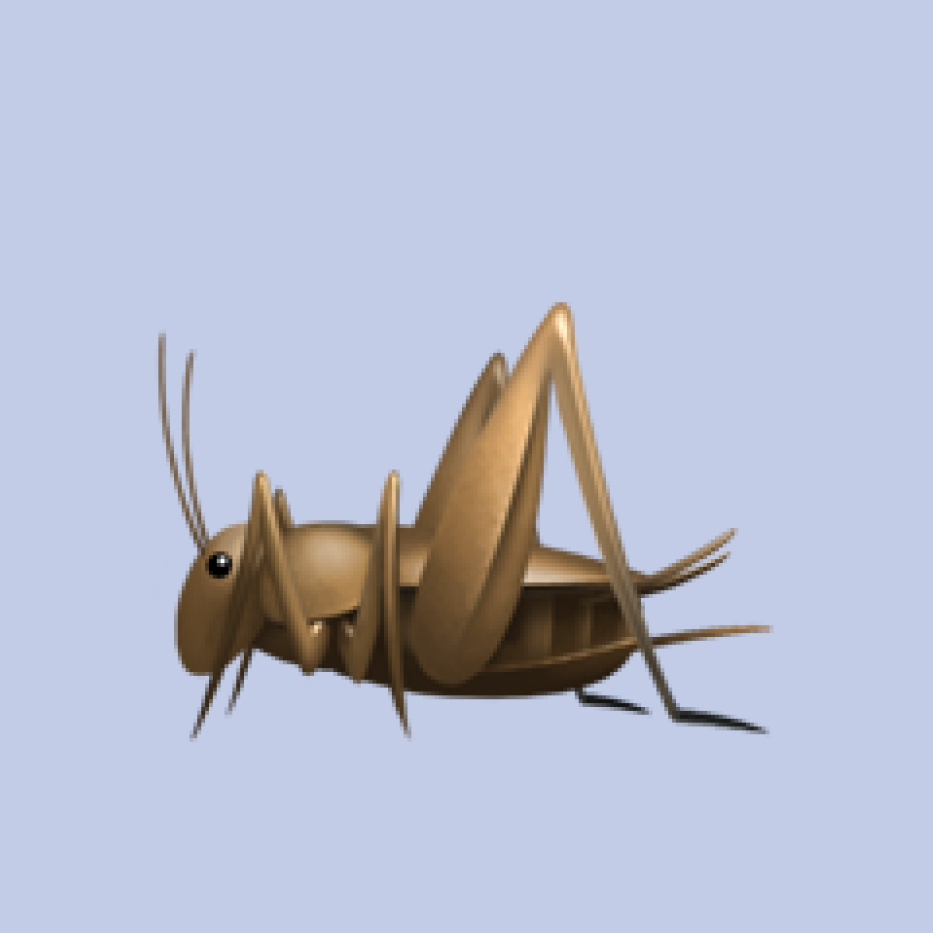 | | Cricket | | | Meaning: Depicts a cricket, a jumping insect known for chirping sounds.
Evolution: As part of a 2018 emoji release that expanded the insects category, the Cricket 🦗 joined the Butterfly 🦋 and Lady Beetle 🐞(commonly known as "ladybug"). It might also be used to represent a grasshopper, as no emoji depicts that particular insect.
Usage: [Text about a quiet evening:] Just me and the 🦗🦗🦗 tonight |
|
| | Cricket | | | Meaning: Depicts a cricket, a jumping insect known for chirping sounds.
Evolution: As part of a 2018 emoji release that expanded the insects category, the Cricket 🦗 joined the Butterfly 🦋 and Lady Beetle 🐞(commonly known as "ladybug"). It might also be used to represent a grasshopper, as no emoji depicts that particular insect.
Usage: [Text about a quiet evening:] Just me and the 🦗🦗🦗 tonight |
|
| |
Have you read? | | 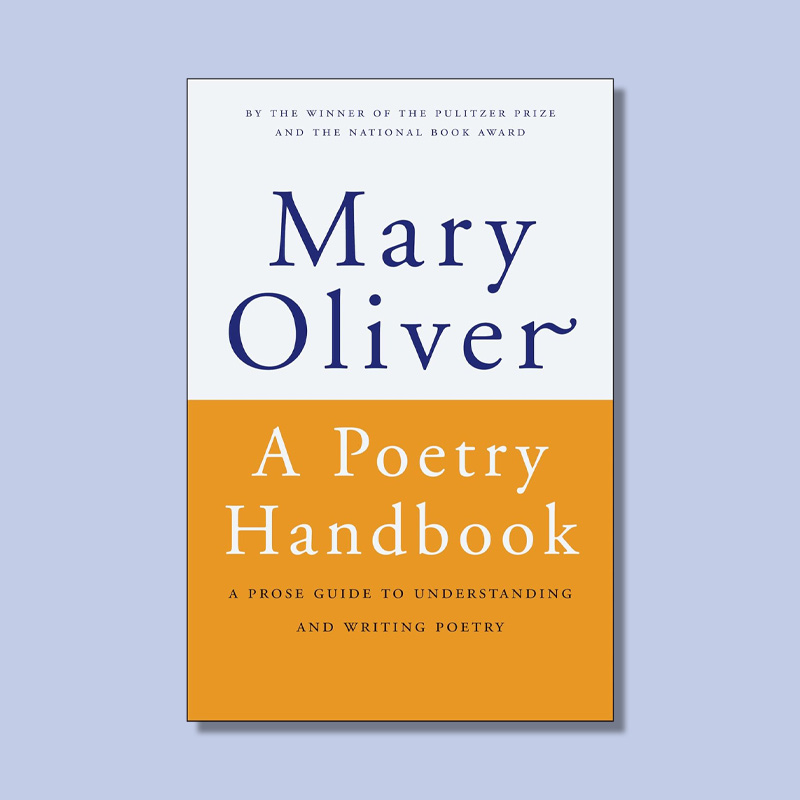 | | A Poetry Handbook | | | | Even though Mary Oliver died in 2019, it feels like her popularity continues to grow. Her poetry has connected with millions, and fortunately for them (and us), she chose to write down her process to guide other budding writers. Oliver had strong instincts, but she was also deliberate and careful about the process of building a poem. In the book, she suggests that everyone try to find a way to fuse creativity and structure. | | | | Julia Rittenberg, Word Smarts Writer | | | | We independently evaluate all recommended products and services. If you click on links we provide, we may receive compensation. |
|
| | A Poetry Handbook | | | | Even though Mary Oliver died in 2019, it feels like her popularity continues to grow. Her poetry has connected with millions, and fortunately for them (and us), she chose to write down her process to guide other budding writers. Oliver had strong instincts, but she was also deliberate and careful about the process of building a poem. In the book, she suggests that everyone try to find a way to fuse creativity and structure. | | | | Julia Rittenberg, Word Smarts Writer | | | | We independently evaluate all recommended products and services. If you click on links we provide, we may receive compensation. |
|
| |
You might also like | |  | | | | 11 English Words That Sound Completely Made Up | | From Lewis Carroll to Rudyard Kipling and Shel Silverstein, some authors are renowned for their ability to create silly-sounding words out of thin air. In addition to the contributions of those brilliant writers, there are plenty of extant words in the English language that also sound completely made-up. |
| | | |
| | Advertisers help keep Word Smarts free | |
|


No comments:
Post a Comment