Monday, September 22, 2025

Why don't we carry handkerchiefs anymore?

When was the last time you touched a real, cloth handkerchief?

Handkerchiefs were once considered a status symbol.

Arts & Culture

W hen was the last time you touched a real, cloth handkerchief? Before disposable tissues became ubiquitous, these pieces of cloth dried our tears, wiped our sweat, and kept our noses clean. For a time, they even did something no ordinary Kleenex could ever do: signal elite social status.

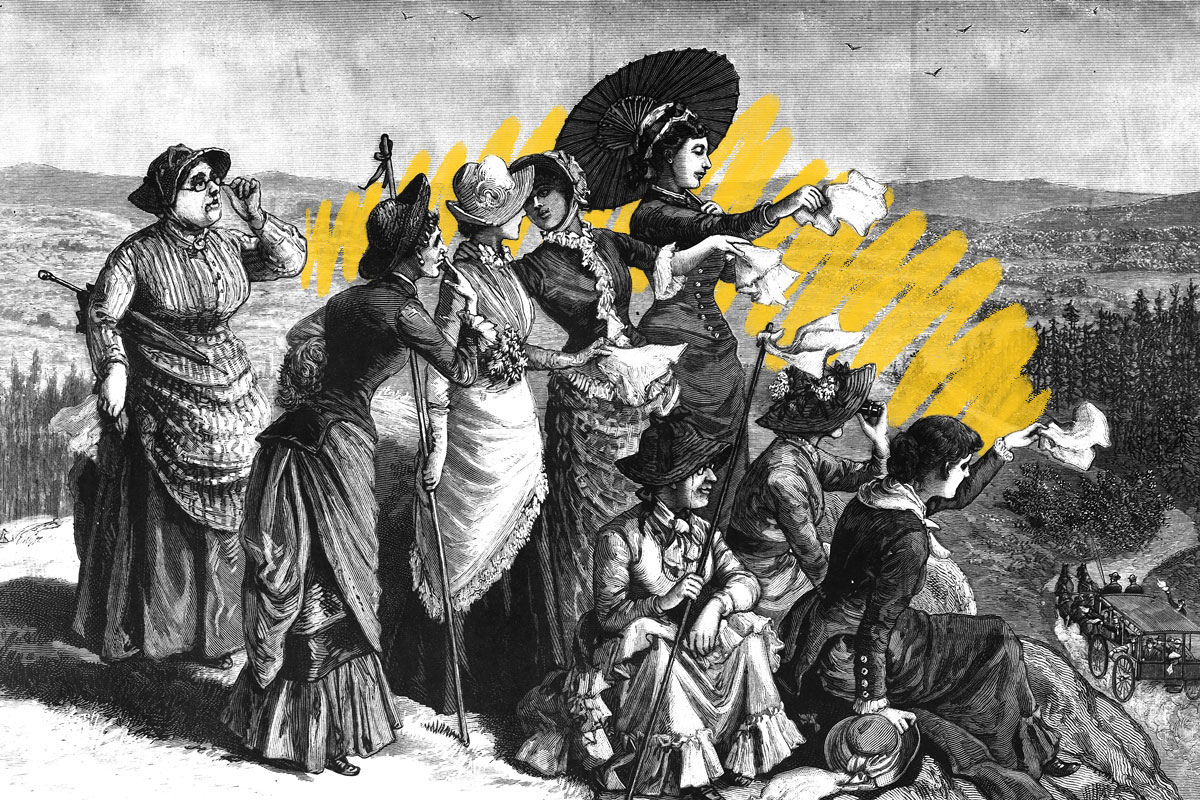
Among the European aristocracy in the 16th and 17th centuries, especially in France and England, handkerchiefs were meant for display, whether in a pocket, a hand, or as part of an elaborate social ritual. These were no ordinary hankies; they were made with intricate lacework and fine embroidery. Wealthy Europeans posed for portraits with their hankies, bequeathed them in wills, and included them in dowries. Women in Tudor England gave fancy hankies to men, who would wear them in their hats. Lost and stolen handkerchiefs made the news. A distinctive, precious handkerchief is even central to the plot of Shakespeare's Othello, written around 1603.The popularity of handkerchiefs spread to the general public throughout the 18th century, especially as snuff became more popular. In noble circles, bolder colors became fashionable to hide the stains, and eventually fans started to overtake hankies as the fashionable handheld accessories. Although still ornately decorated, handkerchiefs were kept in sleeves, pockets, or necklines after that.

By the Numbers

Sale price of a collection of Freddie Mercury's neckties and handkerchiefs

£8,890

Handkerchiefs in the wardrobe of 17th-century Venetian noblewoman Cecilia Contarini

166

Pieces in the world's largest recorded collection of handkerchiefs

4,727

Running time (in minutes) of the 2023 horror film Hanky Panky

86

Did you know?

King Louis XVI passed a law enforcing square handkerchiefs.

During the reign of France's King Louis XVI and Queen Marie Antoinette, courtiers in France carried handkerchiefs of all shapes and sizes, but the queen supposedly preferred the aesthetics of square ones. On June 2, 1785, King Louis passed a law stating, "The length of handkerchiefs shall equal their width throughout my entire kingdom." He wasn't the first European ruler to pass hanky legislation. In England, Henry VIII was strict about designs and Charles II banned bows and tassels for being too extravagant. And in 17th-century Milan, lace wasn't allowed on any garments except handkerchiefs.

Recommended Reading

World History

The Titles of British Nobility, Explained

Arts & Culture

Why Do We Say 'Bless You' When Someone Sneezes?

+ Load more

Discover something new

History Facts is part of Optimism, which publishes content that uplifts, informs, and inspires.

13 Surprising Facts About the World's Population
Interesting Facts Interesting Facts

Natural Cold Remedies That Actually Work
Better Report Better Report

Why Do Brits Spell "Colour" With an "ou"?
Word Smarts Word Smarts
Click here

No comments:

Post a Comment