 | | January 24, 2026 |  |
|
|
| Every home cook stocks a different array of seasonings in their kitchen, but salt is a constant. It's simply the most versatile ingredient; without it, few foods would taste right. Even cultures that don't use refined salt often rely on salty fermented staples, such as soy or fish sauce, to get the same result. Of course, the plain white stuff in your shaker isn't the only kind of salt a recipe might call for. Many specify sea salt, kosher salt, or a fancy finishing salt. Are you using the right one for the job? Let's look at the three main types of salt and the specific role each one plays. |
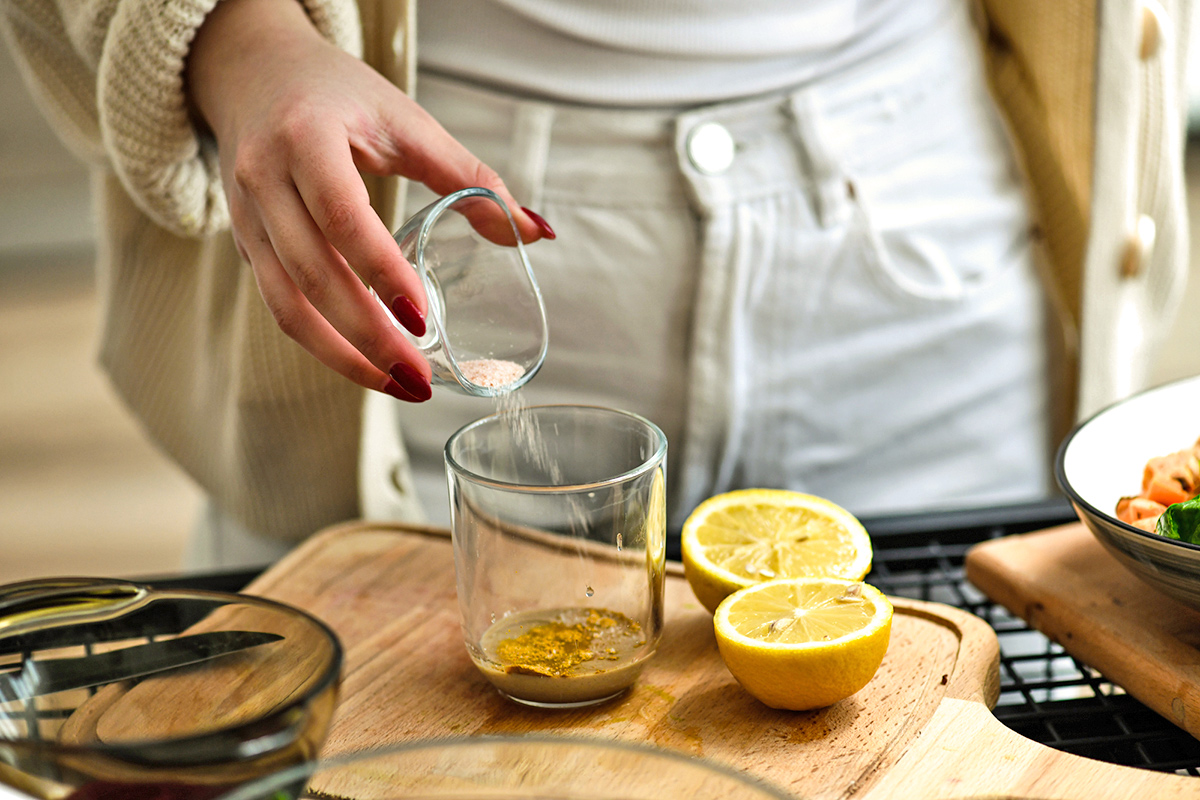 | | Credit: AleksandarGeorgiev/ iStock |
|
| Table salt is likely the kind you've known your whole life. It's fully refined and produced with a fine texture so it can be dispensed easily from a shaker (or even the can), and sprinkled onto your food, chef-fashion, from your fingertips. When a recipe simply calls for "salt," this is what it means. |
| Some recipes advise against it, however, because table salt is often iodized. An iodine compound has been added to certain varieties of U.S. table salt since 1924 to prevent goiter, an enlargement of the thyroid gland often caused by an iodine deficiency. It can add a faint bitterness to your food and discolor pickles or brines, which is why those recipes usually call for kosher salt. Noniodized table salt is easily available, though, if you prefer the fine texture. |
| "Coarse" just refers to the size of the grains. It might be sold as kosher salt or even decorative pink Himalayan salt, which looks appealing in a grinder. Because it's typically noniodized, it offers a cleaner flavor (sea salt being the exception, as the taste depends on its origins). Those big grains are sometimes used as a textural element on things like soft pretzels, focaccia, or margarita rims. |
| Coarse salt is the go-to for brines, marinades, and pickles, but be careful: Crystal sizes vary widely by brand, so swapping one for another can be a complication. |
| Finishing salt is a less obvious category than the others, though these gourmet varieties have risen in popularity over the last few decades. It refers to premium, specialized salts (usually sea salts) that you add at the very last moment as a garnish. Pyramid-shaped Maldon flakes or French "sel gris" and "sel de Guérande" are good examples. You'd use those on a dish like carpaccio, where their crunch or delicate flavor elevate the finished dish. |
|
| *This content is brought to you by our sponsor, which helps keep our content free. |
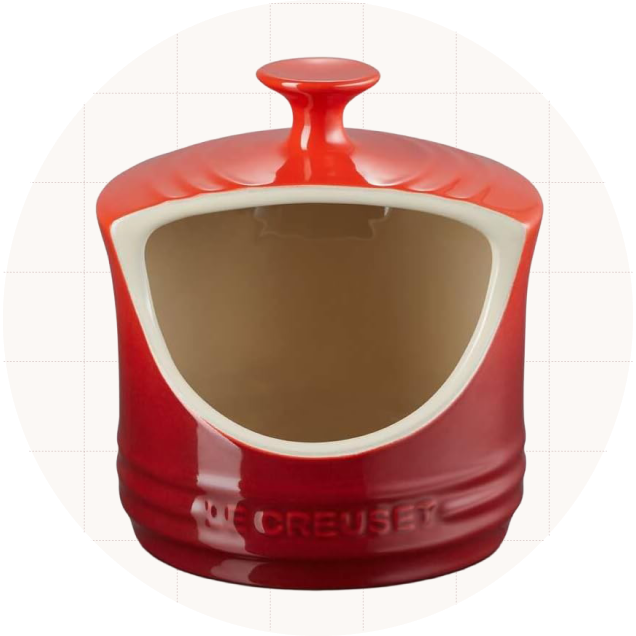 | | Le Creuset Stoneware Salt Crock | | I wish every piece of cookware in my kitchen came from Le Creuset, but while I wait for a lottery win, I'll settle for this relatively affordable salt crock. Also known as a salt pig, this open container keeps salt easily accessible while you're cooking. The "roof," which resembles the brand's iconic Dutch oven, protects the salt from dust and food splatter. Made of durable, glazed stoneware, the piece is both easy to clean by hand and dishwasher safe. Choose from cerise (pictured here), sea salt (a soft green-gray-blue), or classic white to perfectly complement your kitchen decor. — Kelsey Morrison, House Outlook Editor |
|
| We independently evaluate all recommended products and services.
If you click on links we provide, we may receive compensation. |
|
| Fred Decker is a trained chef and former restaurateur. Since closing his restaurants over a decade ago he has been a prolific freelance writer, publishing several thousand articles on dozens of high-volume websites including Taste Of Home, Hunker, Tasting Table, Week&, eHow, and GOBankingRates. He lives on a rural acreage shared with a big garden, chickens, rabbits, and grandkids. |
|
|
|
|
| Was this email forwarded to you? |
|
| No longer interested in receiving our content? |
|
|
|
| Advertisements: |  |
|
|
|



No comments:
Post a Comment