Where did 'the whole nine yards' come from? | | | |  | Bennett Kleinman |
|
| | 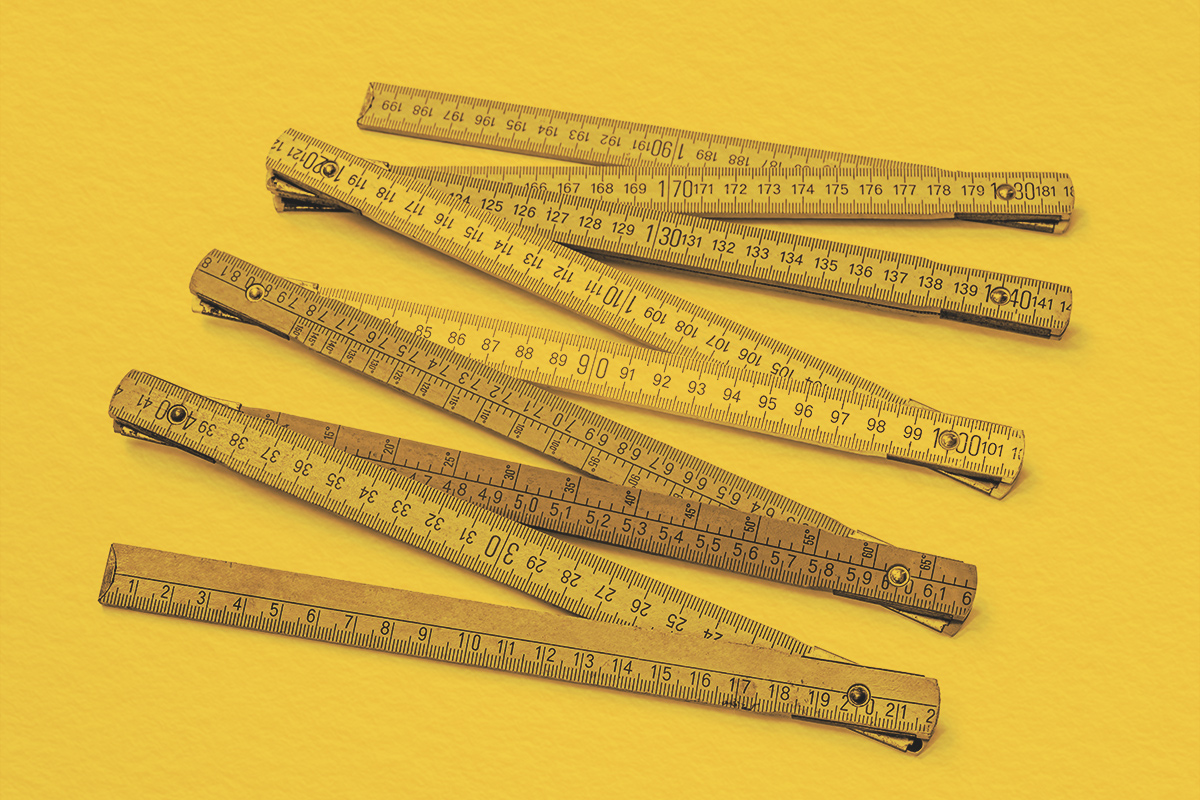 | | E tymologist William Safire once claimed, "The whole nine yards is one of the great etymological mysteries of our time." Indeed, the phrase "the whole nine yards" has different meanings depending on who you ask. To film buffs, it's a 2000 movie starring Bruce Willis and Matthew Perry. To NFL refs, it's one yard short of a first down. But to most people, it's a colloquialism indicating an all-out effort. However, this idiom's etymological origins aren't certain.
According to the OED, one of the earliest printed uses of the phrase can be traced to an 1855 short story in the New Albany Daily Ledger titled "The Judge's Big Shirt." The phrase has a more literal, albeit lighthearted, usage in that context, as the plot describes using nine yards of fabric to craft a comically oversized shirt. By 1907, the phrase took on a more figurative meaning in printed periodicals, and while that offers us a timeline, linguists still debate its etymological origins. |
| | Continue reading | |  |
|
Emoji Decoded | | 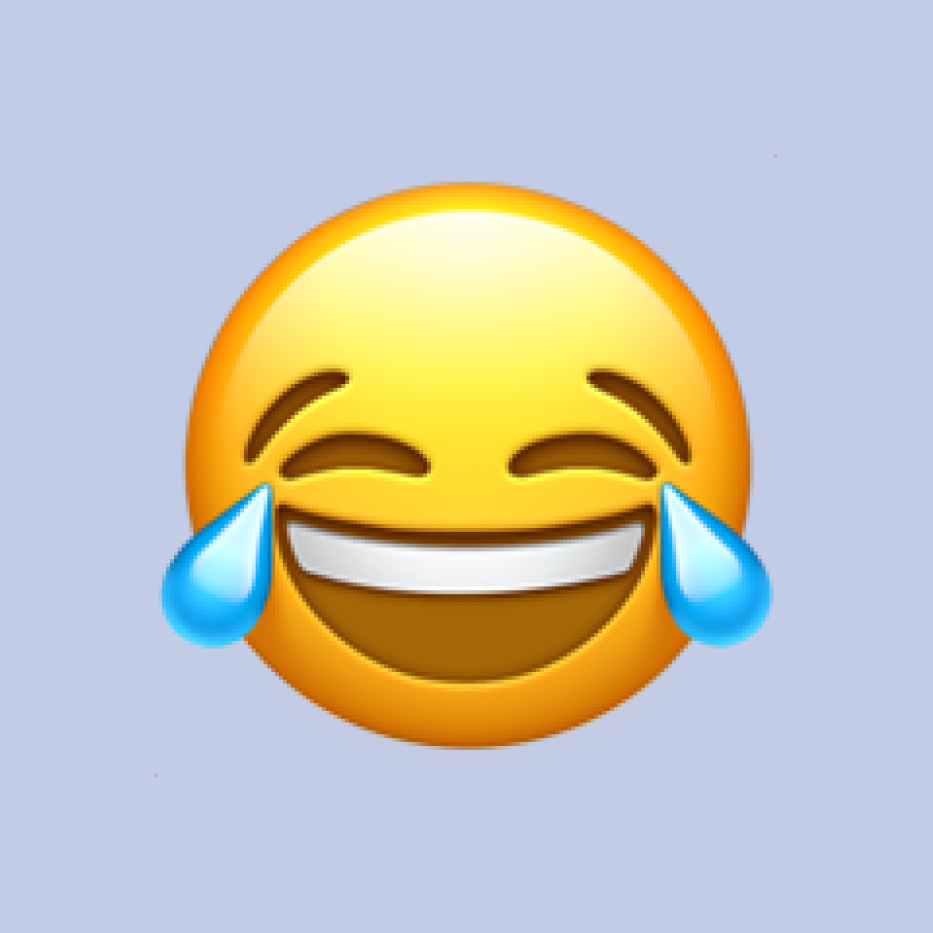 | | Face With Tears of Joy | | | Meaning: An evolution of LOL; indicates laughing so hard there are tears.
Evolution: Nothing demarcates the schism between millennials and Gen Z more than a "tears of joy" emoji. While the elders use this to mean they're ROTFL, the youths use a skull emoji to imply "dead with laughter."
Usage: [Millennials in the comments of a video of a cat in a costume:] 😂😂😂😂😂 |
|
| | Face With Tears of Joy | | | Meaning: An evolution of LOL; indicates laughing so hard there are tears.
Evolution: Nothing demarcates the schism between millennials and Gen Z more than a "tears of joy" emoji. While the elders use this to mean they're ROTFL, the youths use a skull emoji to imply "dead with laughter."
Usage: [Millennials in the comments of a video of a cat in a costume:] 😂😂😂😂😂 |
|
| |
Have you read? | | 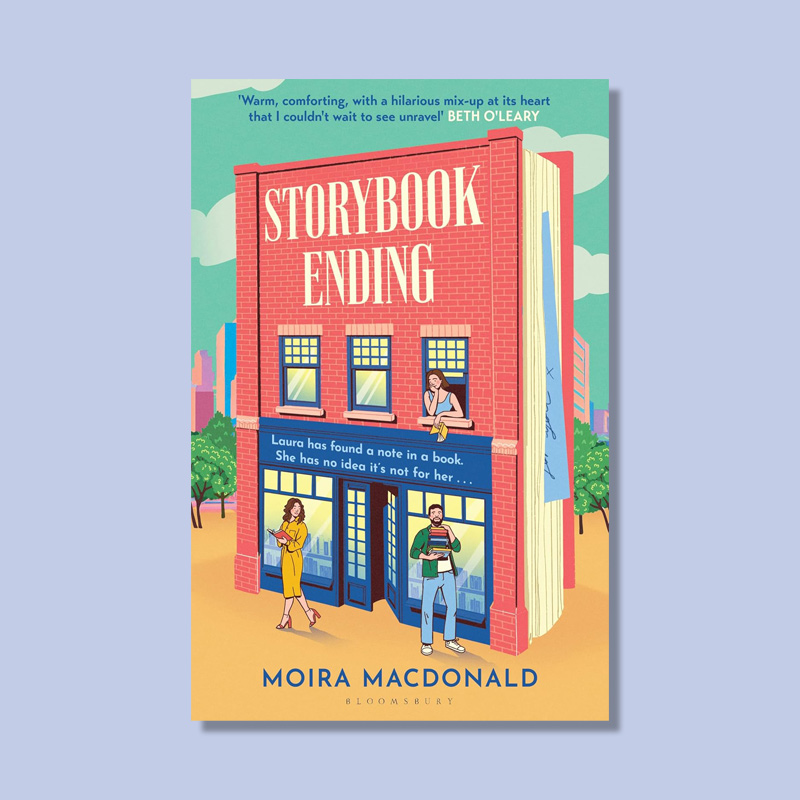 | | Storybook Ending | | By Moira Macdonald | | A tribute to book lovers and how they fall in love, this story of mistaken identity through a bookshop is adorable. At a bookstore in Seattle, shop attendant Westley captures the hearts of two regulars. April leaves a note for him in a book, but the book is purchased by Laura, who believes it's a note from Westley to her. As the women exchange notes, believing they are talking to Westley, who is none the wiser, we journey with them through the books they love. | | | | Julia Rittenberg, Word Smarts Writer | | | | We independently evaluate all recommended products and services. If you click on links we provide, we may receive compensation. |
|
| | Storybook Ending | | By Moira Macdonald | | A tribute to book lovers and how they fall in love, this story of mistaken identity through a bookshop is adorable. At a bookstore in Seattle, shop attendant Westley captures the hearts of two regulars. April leaves a note for him in a book, but the book is purchased by Laura, who believes it's a note from Westley to her. As the women exchange notes, believing they are talking to Westley, who is none the wiser, we journey with them through the books they love. | | | | Julia Rittenberg, Word Smarts Writer | | | | We independently evaluate all recommended products and services. If you click on links we provide, we may receive compensation. |
|
| |
You might also like | |  | | | | Is It 'Soda' or 'Pop'? | | "Soda" and "pop" are the two most common terms for carbonated soft drinks, and strong linguistic indicators of where in the country you call home. Both are correct, but we can tell where you're from based on what you call your bubbly beverage. |
| | | |
|


No comments:
Post a Comment