 | | February 21, 2026 |  |
|
|
| We all know that eggs, undercooked chicken, and questionable shellfish are potential causes of food poisoning, but don't overlook the risks from fresh produce. We typically cook meats and eggs, but produce such as lettuce, sprouts, and fresh fruit — just to name a few — are almost always eaten raw. If they're carrying any bacteria (and with all the handling they get between the field and your table, who knows?), those pathogens will end up in your gut, where they become a problem for your immune system. |
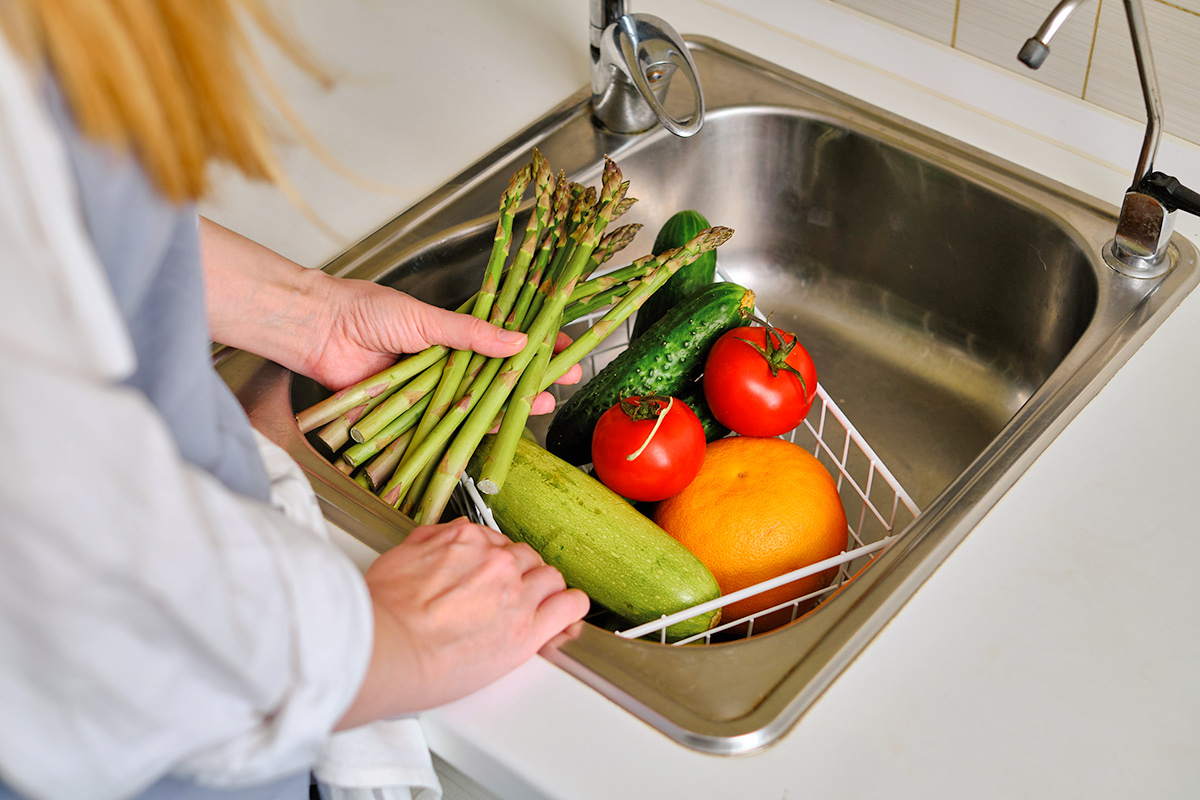 | | Credit: Iuliia Pilipeichenko/ iStock |
|
| You'll find plenty of commercial produce washes on store shelves, but the USDA remains skeptical. The agency argues that these washes haven't been well studied and raises concerns about the chemical residues they leave behind. Fortunately, a science-backed alternative exists that is inexpensive and relies on ingredients you likely already have on hand. Here's how it works to keep your produce safe. |
| Cleaning Fresh Produce With Hydrogen Peroxide and Vinegar |
| Back in 1996, researcher Susan Sumner — then at the University of Nebraska and later Virginia Tech — discovered that two common household products could be a produce-cleaning powerhouse. By pairing distilled white vinegar with 3% hydrogen peroxide, she found they could kill nearly all salmonella, shigella, and E. coli bacteria, even on produce deliberately contaminated at high levels. Here's the process: |
| • Fill a spray bottle with distilled white vinegar, or find a spray mechanism to fit the vinegar bottle. Do the same with 3% hydrogen peroxide; make sure the bottle is dark or opaque, as light breaks down the active ingredient. |
| • Wash your produce first under clean, running water to remove any dirt that might give bacteria a hiding place. |
| • Spray the produce thoroughly with the vinegar, then immediately follow up with the hydrogen peroxide. Your produce should be visibly wet and glistening. |
| • Allow the produce to sit for at least 20 minutes. |
| • Rinse the produce under cool, running water for 30 to 60 seconds to remove any remaining vinegar or hydrogen peroxide. (Note: Trace amounts of hydrogen peroxide are generally considered safe to consume, as the compound eventually breaks down into water and oxygen when exposed to light and air.) |
| A couple of final notes: First, to avoid cross-contamination, wash your hands thoroughly before you begin. Second, don't combine the distilled white vinegar and hydrogen peroxide in the same bottle — mixing them ahead of time reduces their effectiveness. |
| For delicate produce such as greens and berries, wait until you're ready to use them before washing. For sprouts, swish them in a bowl of hydrogen peroxide followed by a dip in vinegar (or vice versa). Finally, don't use this hack on cantaloupes. Their rinds are too porous and rough for the treatment to work, and the fruit can absorb the taste. Scrub those under running water with a stiff brush instead. |
|
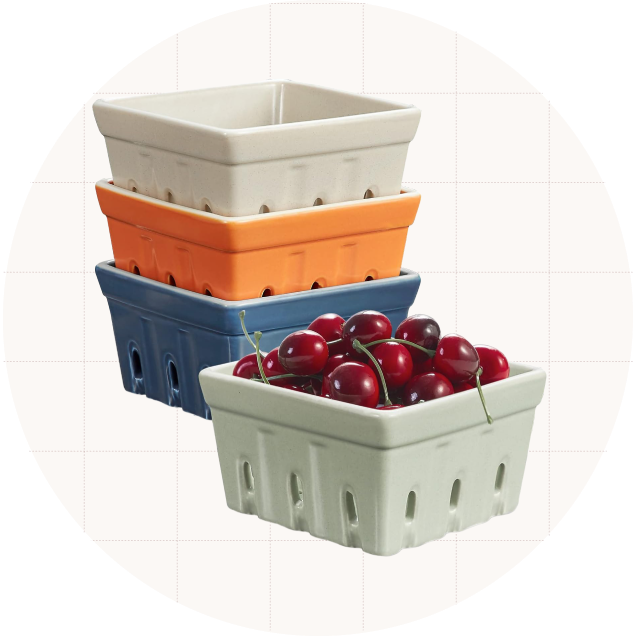 | | ONEMORE Ceramic Berry Baskets, Four-Pack | | I don't buy berries very often because I'm afraid they'll go soft and mushy before I get through the carton. However, I'd be more inclined to snack on them if I had a set of these adorable ceramic baskets. Sold in a pack of four, each basket is roughly 2.5 inches tall and 4.5 inches wide. The lead- and cadmium-free ceramic glaze is scratch and chip resistant, and the side vents double as drainage for washing and provide the airflow needed to keep berries fresher for longer. — Kelsey Morrison, House Outlook Editor |
|
| We independently evaluate all recommended products and services.
If you click on links we provide, we may receive compensation. |
|
| Fred Decker is a trained chef and former restaurateur. Since closing his restaurants over a decade ago he has been a prolific freelance writer, publishing several thousand articles on dozens of high-volume websites including Taste Of Home, Hunker, Tasting Table, Week&, eHow, and GOBankingRates. He lives on a rural acreage shared with a big garden, chickens, rabbits, and grandkids. |
|
|
|
|
| Was this email forwarded to you? |
|
| No longer interested in receiving our content? |
|
|
|
| Advertisements: |  |
|
|
|


No comments:
Post a Comment