Why do we say 'down to brass tacks'? | | You're probably familiar with "brass tacks" in a figurative sense, but do you know where this idiom originated? Seriously, we're asking, because the answer isn't clear. | |  | Bennett Kleinman |
|
| | 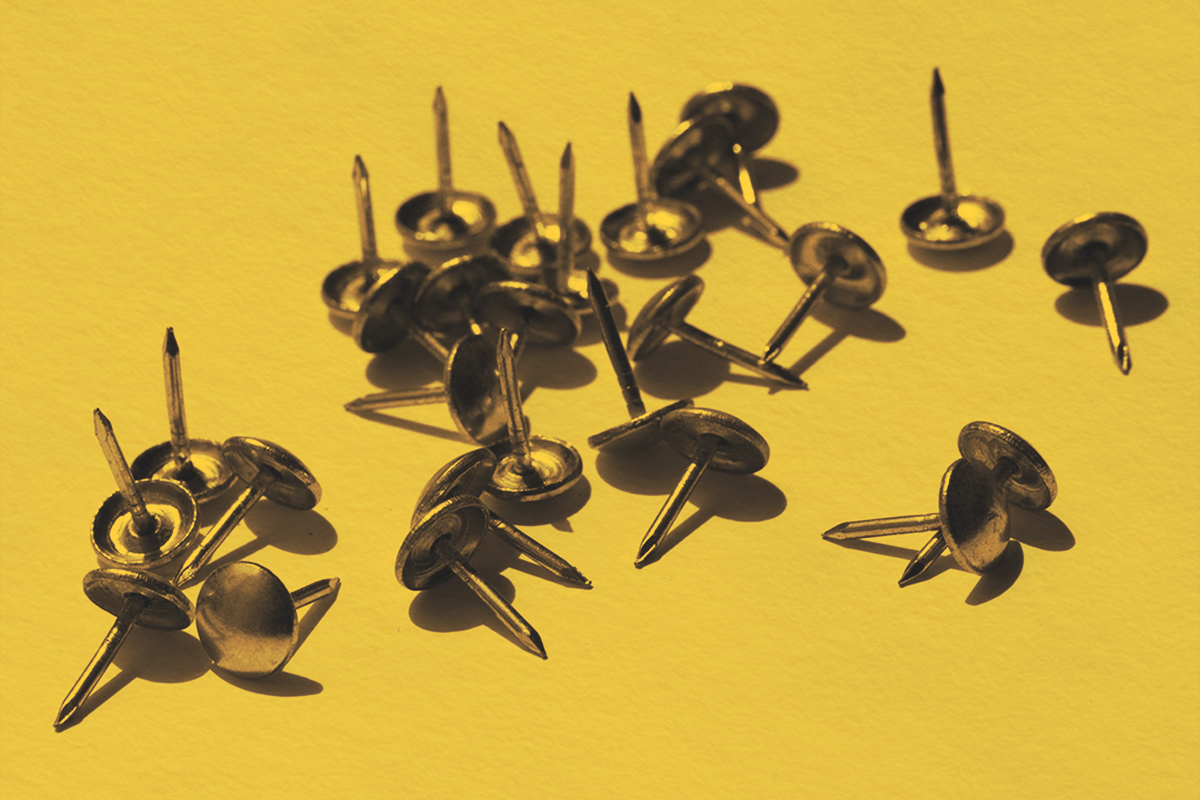 | | P inning down the origin of certain turns of phrase can be a tricky task. Often they're present in the verbal lexicon before being preserved in writing, so the original source is almost impossible to determine. There's a lot of uncertainty, for example, when it comes to the phrase "down to brass tacks.". First of all, it's "brass tacks" and not "brass tax." Secondly, it means to get down to business and focus on only the essential details. But while those two matters are clear, there's a lot of debate over where the saying originated and why it exists. There are several theories dating to the 19th century.
One oft-repeated theory is that it's possibly derived from the literal removal of brass tacks before a piece of upholstered furniture can be restored or reupholstered. Another idea is that it has to do with a method of measuring specific lengths of cloth. Tacks were sometimes nailed a yard's length apart into the counter of a merchant's shop, allowing the vendor to measure out precise amounts of fabric. Still another theory is that "brass tacks" is simply Cockney rhyming slang for "the facts." |
| | Continue reading | |  |
|
Emoji Decoded | | 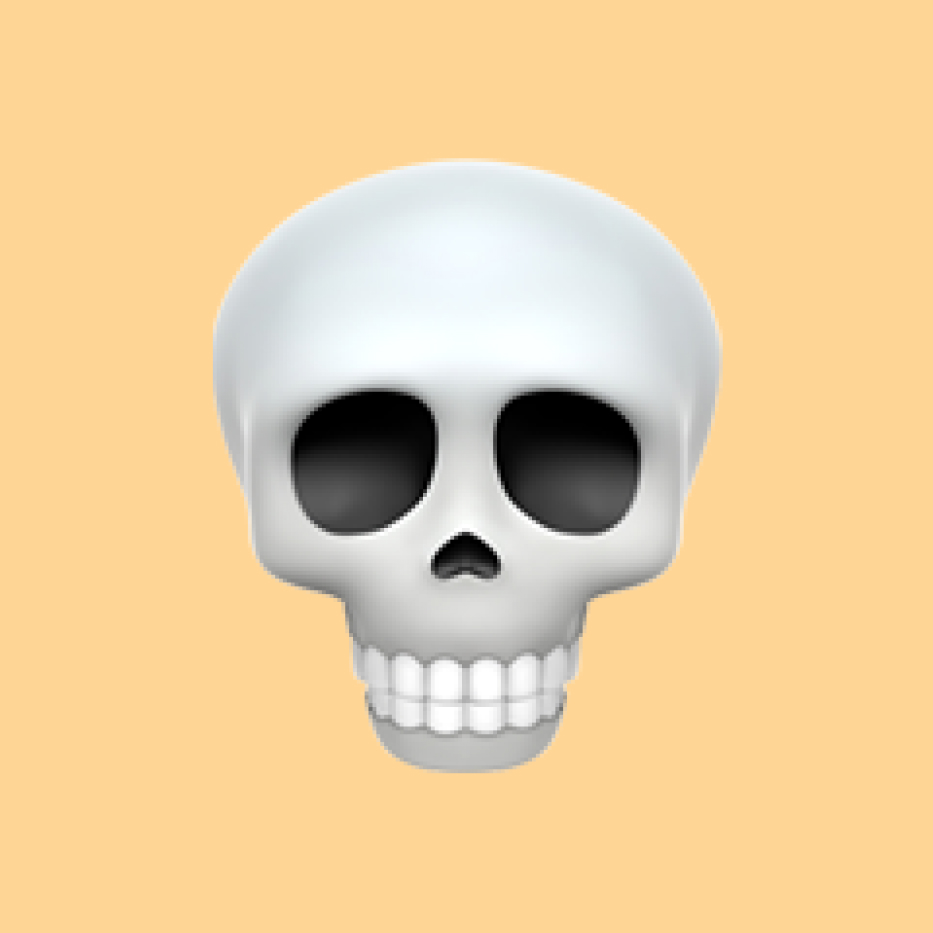 | | Skull | | | Meaning: Indicates a human skull, but distinct from the Skull and Crossbones ☠️.
Evolution: Of course it's popular around Halloween, as it symbolizes death, but Gen Z popularized the meaning of "dying from laughter." In this context, 💀 replaced 😂 or 🤣.
Usage: [Text accompanying photo of open textbook:] I've been studying the wrong chapter all week 💀 |
|
| | Skull | | | Meaning: Indicates a human skull, but distinct from the Skull and Crossbones ☠️.
Evolution: Of course it's popular around Halloween, as it symbolizes death, but Gen Z popularized the meaning of "dying from laughter." In this context, 💀 replaced 😂 or 🤣.
Usage: [Text accompanying photo of open textbook:] I've been studying the wrong chapter all week 💀 |
|
| |
Have you read? | | 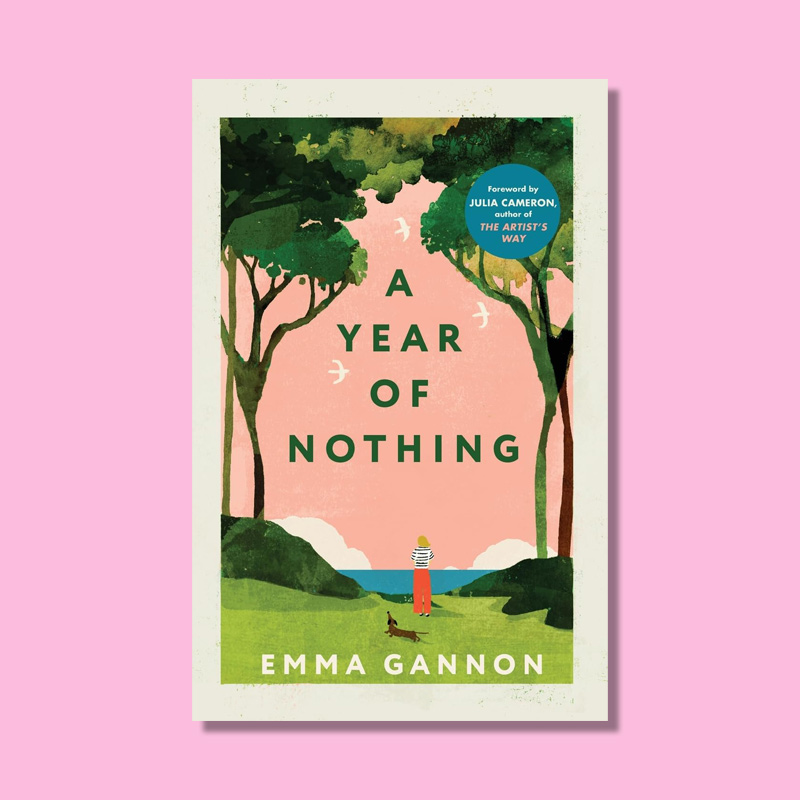 | | A Year of Nothing | | By Emma Gannon | | Working hard or hardly working? We all need to take a break sometimes. Novelist Emma Gannon reached peak burnout a few years after publishing a book and experiencing the intense highs (and overwhelm) that can come with success, forcing her to examine how she got there. In "A Year of Nothing," Gannon documents the ways she recovered and healed, offering insight into how she put herself back together. She also offers readers suggestions of little ways to practice self-care every day. This short memoir is recommended for anyone resolving to be kinder to themselves in 2026. | | | | Samantha Abernethy, Word Smarts Writer | | | | We independently evaluate all recommended products and services. If you click on links we provide, we may receive compensation. |
|
| | A Year of Nothing | | By Emma Gannon | | Working hard or hardly working? We all need to take a break sometimes. Novelist Emma Gannon reached peak burnout a few years after publishing a book and experiencing the intense highs (and overwhelm) that can come with success, forcing her to examine how she got there. In "A Year of Nothing," Gannon documents the ways she recovered and healed, offering insight into how she put herself back together. She also offers readers suggestions of little ways to practice self-care every day. This short memoir is recommended for anyone resolving to be kinder to themselves in 2026. | | | | Samantha Abernethy, Word Smarts Writer | | | | We independently evaluate all recommended products and services. If you click on links we provide, we may receive compensation. |
|
| |
|




No comments:
Post a Comment